ByJohn A
Why Proper Electronic Disposal in Chicago Matters for Businesses
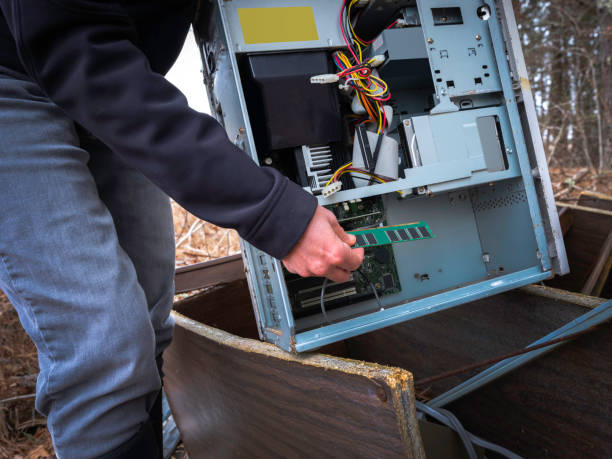
Businesses regularly upgrade computers, servers, monitors, networking equipment, printers, phones, and other electronic devices. As older equipment becomes outdated or reaches the end of its useful life, electronic disposal in Chicago becomes an important part of responsible business operations. Simply throwing unwanted electronics into general waste can create environmental, security, and compliance concerns. A structured disposal process helps businesses manage obsolete equipment safely while supporting responsible resource use.
Proper electronic disposal involves more than getting rid of unwanted devices. It includes identifying equipment that is no longer needed, protecting sensitive information, separating reusable materials, and ensuring electronic waste is handled through appropriate channels. For businesses of all sizes, having a clear disposal strategy can reduce risks and make equipment transitions more organised.
Understanding Electronic Waste in Business
Electronic waste, commonly known as e-waste, includes discarded electrical and electronic equipment. Businesses can generate significant amounts of e-waste because technology is frequently upgraded or replaced.
Common Types of Business Electronics
Business environments may accumulate many different types of electronic equipment, including:
- Desktop computers and laptops
- Servers and storage devices
- Monitors and displays
- Printers and scanners
- Mobile phones and tablets
- Networking equipment
- Routers and switches
- Cables and accessories
- Telecommunication equipment
- Point-of-sale equipment
- Batteries and power supplies
When these items are no longer useful, businesses need to determine the safest and most appropriate way to manage them.
Why Electronic Waste Requires Special Handling
Electronic devices contain a mixture of materials, including plastics, glass, metals, circuit boards, and other components. Some electronic equipment can also contain substances that should not be released into the environment through improper disposal.
Separating electronic waste from ordinary rubbish allows materials to be handled more appropriately. It can also help recover valuable components that may have another use.
Protecting Sensitive Business Information
One of the most important reasons for proper electronic disposal is data security. Electronic devices can contain valuable business information even after files have been deleted.
Deleted Files May Still Present a Risk
Simply deleting documents or performing a basic reset may not always provide sufficient protection. Storage devices can retain information that may potentially be recovered using specialised techniques.
Businesses may store customer records, employee information, financial documents, passwords, internal communications, and other confidential data on electronic equipment.
Secure Data Destruction
Before equipment leaves a business facility, organisations should establish a process for identifying devices that contain storage media. Appropriate data destruction methods can help prevent unauthorised access to information.
Depending on the equipment and security requirements, this may involve verified data wiping, degaussing where appropriate, or physical destruction of storage media.
Maintaining records of the process can also help businesses demonstrate that retired devices were handled according to internal security procedures.
Reducing Environmental Impact
Improperly discarded electronics can contribute to growing waste volumes. Responsible disposal helps businesses reduce the amount of electronic equipment entering conventional waste streams.
Supporting Material Recovery
Many electronic devices contain recoverable materials such as aluminium, copper, steel, and other metals. Recycling processes can separate these materials so they can potentially be used again.
Material recovery reduces the need to rely entirely on newly extracted resources and supports a more circular approach to technology management.
Preventing Unnecessary Waste
Not every retired device needs to become waste immediately. Some equipment may still have functional components or value after being removed from one business environment.
Assessing equipment before disposal can help determine whether an item should be reused, refurbished, recycled, or permanently discarded.
Improving Business Efficiency
A structured disposal process can also improve internal organisation. Businesses that allow obsolete equipment to accumulate may eventually have storage rooms filled with unused computers, monitors, cables, and other devices.
Creating More Usable Space
Removing unnecessary equipment can free valuable office and storage space. This can be particularly beneficial for businesses operating in limited areas.
Instead of keeping outdated equipment indefinitely, businesses can establish clear procedures for identifying and removing assets that are no longer required.
Supporting Technology Upgrades
Technology upgrades are easier to manage when there is already a disposal process in place. Employees and IT teams can understand what happens to equipment when new devices are introduced.
This creates a more consistent transition from old technology to new systems.
Supporting Responsible Asset Management
Electronic disposal should be considered part of a broader asset management strategy rather than an isolated activity.
Evaluate Equipment Before Disposal
Businesses should first determine whether equipment is actually ready for disposal. Some devices may be suitable for internal reuse, reassignment, refurbishment, resale, or donation where appropriate.
A basic evaluation can consider:
- Age of the equipment
- Physical condition
- Performance
- Compatibility with current systems
- Data stored on the device
- Potential reuse opportunities
- Recycling requirements
This approach prevents functional equipment from being discarded unnecessarily.
Maintain Equipment Records
Keeping accurate asset records can make the disposal process easier. Businesses should know which devices are being retired and where those devices are located.
Asset records may include equipment type, serial number, assigned department, status, and disposal date. This information can improve accountability throughout the equipment lifecycle.
Helping Businesses Manage Compliance Responsibilities
Electronic waste management may involve environmental and data protection requirements. Businesses should understand the rules that apply to their operations and the types of equipment they handle.
Follow Applicable Disposal Requirements
Different types of electronic equipment may be subject to different handling requirements. Local and applicable regulations should be considered when developing a disposal procedure.
Businesses should avoid assuming that all electronics can be treated in the same way. Batteries, storage devices, and specialised equipment may require particular handling.
Keep Documentation
Documentation can provide evidence that retired equipment was processed appropriately. Depending on the organisation’s requirements, records may include inventory information, disposal dates, data destruction records, recycling documentation, and transfer information.
Maintaining these records can make internal audits and equipment tracking more straightforward.
Choosing a Responsible Disposal Process
Businesses should develop a process that addresses security, environmental responsibility, and operational efficiency.
Establish Clear Internal Procedures
A practical procedure can include several stages:
- Identify obsolete or unwanted equipment.
- Record the equipment in the asset inventory.
- Separate devices containing sensitive information.
- Back up any required business data.
- Apply an appropriate data destruction method.
- Determine whether equipment can be reused or refurbished.
- Separate recyclable electronic materials.
- Arrange appropriate processing for remaining equipment.
- Maintain disposal documentation.
Having these steps documented helps employees understand their responsibilities.
Train Employees
Employees should also understand that electronic equipment should not automatically be placed in ordinary waste bins.
Clear instructions can help prevent accidental disposal of devices containing confidential information or components requiring specialised handling.
Avoiding Common Electronic Disposal Mistakes
Businesses can face unnecessary risks when electronic disposal is handled casually.
Throwing Electronics Into General Waste
Placing computers, monitors, batteries, or other electronic equipment into ordinary rubbish can create environmental and handling concerns. Businesses should determine the appropriate disposal route for each type of equipment.
Forgetting About Data
Data security should remain a priority until a device has been properly processed. Businesses should identify storage devices before equipment is transferred or discarded.
Keeping Equipment Indefinitely
Holding outdated equipment for years can create clutter and make asset tracking more difficult. A defined equipment retirement schedule can help businesses address obsolete technology in a timely manner.
Failing to Document Disposal
Without proper records, businesses may have difficulty determining what happened to retired equipment. Documentation creates a clearer chain of accountability.
Building a More Sustainable Technology Lifecycle
Proper electronic disposal is one part of responsible technology management. Businesses can improve sustainability by considering the entire lifecycle of their equipment.
Buy With Lifecycle Management in Mind
When purchasing technology, organisations can consider durability, repairability, upgrade options, energy efficiency, and eventual disposal requirements.
Planning for the end of an asset’s lifecycle from the beginning can make future transitions easier.
Prioritise Reuse Where Practical
When equipment remains functional, reuse can extend its useful life. A device might be reassigned internally or prepared for another appropriate use instead of immediately becoming waste.
This can reduce unnecessary disposal and maximise the value of existing technology.
See also: Why Should You Hire Bus Accident Lawyers After a Serious Collision?
Conclusion
Proper electronic disposal in Chicago matters because businesses must consider more than simply removing unwanted technology from their premises. Responsible disposal can help protect sensitive information, reduce environmental impact, recover useful materials, improve workplace organisation, and support better asset management.
By creating clear procedures for equipment evaluation, data destruction, recycling, documentation, and final disposal, businesses can manage technology more responsibly. A well-planned approach ensures that obsolete electronics are handled safely and efficiently while supporting broader environmental and operational goals.