ByJohn A
How a Car Air Conditioner Compressor Works and What Drivers Should Know
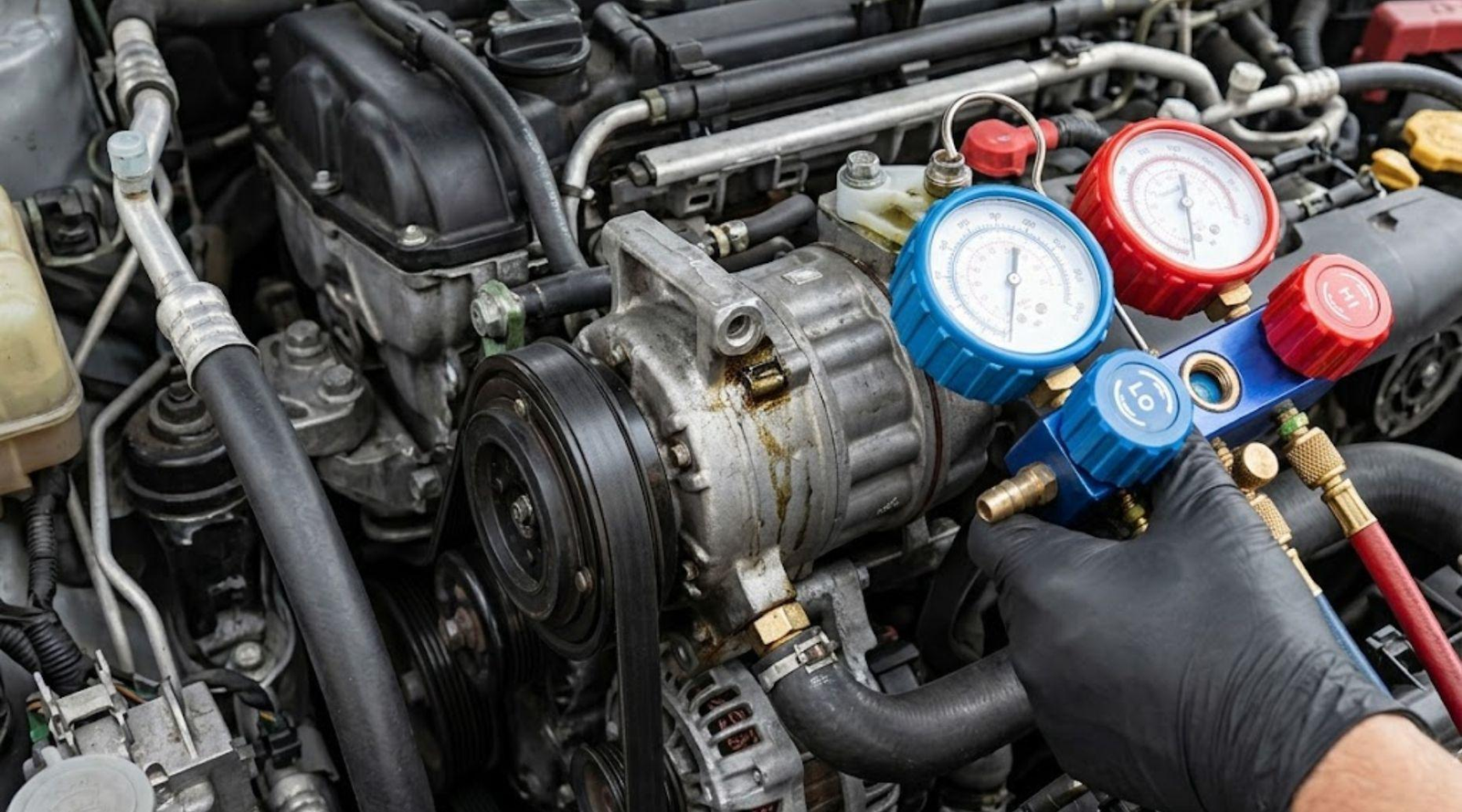
A car air conditioner compressor is one of the main components responsible for producing cool air inside a vehicle. It circulates refrigerant through the air-conditioning system, allowing heat to be removed from the cabin before cooled air reaches the vents. A problem with the compressor can affect cooling performance, create unusual noises, or stop the air-conditioning system from working properly.
For drivers, understanding how the compressor operates can make it easier to recognize early warning signs and choose the right replacement when repairs are needed.
What Does a Car Air Conditioner Compressor Do?
The compressor is often described as the heart of the vehicle’s air-conditioning system because it keeps refrigerant moving through the cooling circuit. It receives low-pressure refrigerant gas from the evaporator and compresses it into a high-pressure, high-temperature gas.
That refrigerant then travels toward the condenser, where heat is released. After passing through the remaining components of the system, the refrigerant returns to the compressor and the cycle starts again.
The compressor therefore has two basic jobs:
- Draw low-pressure refrigerant gas from the evaporator
- Compress and circulate the refrigerant through the AC system
Without proper refrigerant circulation, the system cannot remove heat effectively from the cabin.
Main Parts Found in an AC Compressor
Different vehicle models use different compressor designs, but most systems contain several common components. These may include the compressor housing, pulley, clutch, shaft, pistons or scroll mechanism, bearings, seals, and internal valves.
The compressor design depends on the vehicle and AC system. Some compressors use pistons, while others rely on rotary or scroll mechanisms. Modern vehicles may also use variable-displacement compressors that adjust output according to cooling demand.
The clutch, where fitted, connects the compressor to the engine through the drive belt. When the AC system requests cooling, the clutch engages and allows the compressor to operate.
How the Refrigeration Cycle Works
The compressor is only one part of a larger refrigeration cycle. Several components work together to move heat from inside the cabin to the outside air.
The basic sequence is:
- Refrigerant leaves the evaporator as a low-pressure gas.
- The compressor draws in and compresses the refrigerant.
- High-pressure refrigerant flows to the condenser.
- The condenser releases heat and changes the refrigerant into a liquid.
- The expansion device reduces refrigerant pressure.
- The refrigerant enters the evaporator and absorbs heat from cabin air.
- The cycle returns the refrigerant to the compressor.
This process repeats whenever the AC system is operating.
Common Signs of Compressor Problems
A failing compressor does not always stop working immediately. Some problems develop gradually and may first appear as reduced cooling or unusual sounds.
Common warning signs include:
- Warm air coming from the vents
- Cooling that becomes weaker at idle
- Grinding, rattling, or squealing noises
- Compressor clutch failing to engage
- Refrigerant leaks around the compressor
- Excessive vibration when the AC is running
- AC performance that changes intermittently
These symptoms can also come from other components, such as a faulty expansion valve, condenser, evaporator, pressure sensor, electrical relay, or insufficient refrigerant. Proper diagnosis is therefore necessary before replacing the compressor.
Choosing the Right Vehicle AC Compressor
Selecting a replacement requires more than matching the general vehicle type. The compressor must be compatible with the vehicle’s AC system, refrigerant type, mounting arrangement, pulley configuration, and electrical requirements.
When comparing a vehicle AC compressor, check the vehicle’s year, make, model, engine specification, and existing compressor information. The original equipment number or compressor identification label can also help confirm compatibility.
Other specifications worth checking include:
- Number and position of mounting points
- Pulley and clutch configuration
- Refrigerant compatibility
- Oil type and capacity
- Connector style
- Compressor displacement
- Manufacturer specifications
Using the wrong compressor can lead to poor cooling, installation problems, or damage to other AC components.
AC Air Compressor for Car: What to Check Before Replacement
A replacement AC air compressor for the car should be selected according to the complete AC system rather than price alone. Compressors may look similar externally while having different internal specifications.
Before installation, technicians generally inspect the system for contamination, leaks, damaged components, and incorrect refrigerant or oil levels. If the previous compressor failed internally, metal particles or debris may have circulated through the system. In such cases, simply installing another compressor may not solve the problem.
The system may require cleaning or replacement of affected components before the new compressor is installed.

Auto AC Compressor Maintenance
The auto AC compressor depends on proper lubrication and refrigerant circulation. Although compressors do not normally require routine internal servicing, regular AC system checks can help identify problems before major component failure occurs.
Useful maintenance practices include:
- Running the AC periodically, including during cooler months
- Checking for unusual compressor or belt noises
- Inspecting the drive belt for wear
- Checking for visible refrigerant or oil leaks
- Maintaining correct refrigerant levels
- Having poor cooling investigated rather than repeatedly adding refrigerant
A low refrigerant charge can reduce cooling and may also affect compressor lubrication in systems where refrigerant carries compressor oil.
When Should the Compressor Be Replaced?
Replacement depends on the type and severity of the failure. A faulty clutch, bearing, pulley, or electrical component may sometimes be repaired without replacing the entire compressor. Internal mechanical damage, severe seizure, or contamination may require a complete compressor replacement.
A professional diagnosis should identify the actual source of the problem before parts are ordered.
When replacing a compressor, technicians may also inspect the condenser, expansion device, receiver-drier or accumulator, hoses, and other components. The exact procedure depends on the vehicle’s AC design and the cause of the original failure.
Understanding Compressor Types
Modern vehicles use several compressor designs. Fixed-displacement compressors deliver a relatively consistent displacement whenever operating, while variable-displacement models adjust their pumping capacity according to system requirements.
Some newer vehicles, particularly hybrids and electric vehicles, use electrically driven compressors instead of belt-driven units. These compressors operate independently of engine speed and have different electrical and service requirements.
An automotive AC compressor must therefore match the vehicle’s specific AC architecture. A compressor designed for a conventional belt-driven system should not be treated as interchangeable with an electrically driven unit.
See also: Why Should You Hire Bus Accident Lawyers After a Serious Collision?
What Affects Compressor Life?
Several factors can influence compressor service life. Correct refrigerant charge, proper lubrication, clean system components, belt condition, and effective condenser airflow all matter.
System contamination is another concern. Dirt, moisture, or metal debris can interfere with internal compressor components and other parts of the refrigeration circuit.
A compressor that has been properly matched to the vehicle and installed with the correct oil and refrigerant specifications can operate reliably for many years. Regular inspection also makes it easier to catch smaller problems before they cause extensive AC system damage.
Final Considerations Before Buying a Replacement
A compressor should be treated as part of the complete vehicle AC system rather than an isolated replacement part. Checking compatibility, identifying the original failure, and confirming refrigerant and oil requirements can prevent unnecessary installation problems.
For anyone researching a car air conditioner compressor, the most useful information is usually found in the vehicle’s service documentation and the compressor manufacturer’s specifications. Correct identification before purchase can save time, reduce fitting issues, and help restore dependable cabin cooling.