ByJohn A
Modular Flat Rooflight: A Practical Guide to Choosing the Right Rooflight
Natural light can change the character of a room, particularly in buildings with flat roofs where traditional windows may not be practical. A rooflight provides an opening above the occupied space, allowing daylight to enter from a direction that ordinary wall windows cannot always reach. For extensions, commercial properties, garages, offices, and renovated buildings, the right rooflight can improve the appearance and usability of an interior while supporting good ventilation and thermal performance.
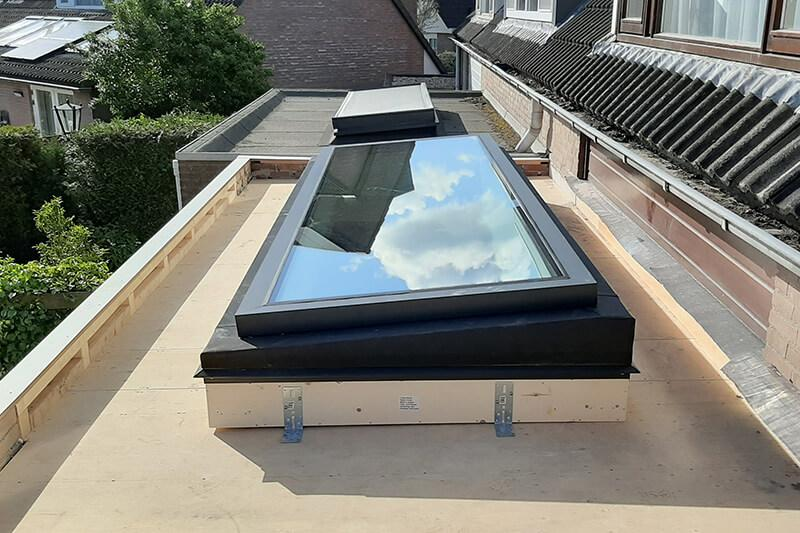
A modular flat rooflight is designed as a ready-to-install rooflight system that can suit different flat roof layouts. Its modular construction can make specification and installation more straightforward, especially where a project requires a particular size, glazing type, or configuration.
What Is a Modular Rooflight?
A modular rooflight is a roof-mounted glazing unit made from coordinated components that work together as one system. Depending on the design, these components can include a glazing panel, frame, kerb, flashing details, opening mechanisms, and insulation elements.
Unlike a conventional pitched-roof window, a rooflight designed for a flat roof must deal with different installation requirements. Water drainage, weather sealing, structural support, and insulation all need careful consideration.
The modular format can offer flexibility because manufacturers may provide several sizes and configurations. Some systems are fixed, while others can open for ventilation. Electric or manually operated options may also be available for buildings where airflow is a priority.
Why Flat Rooflights Are Used
Daylight is one of the main reasons property owners install rooflights. A roof opening can introduce light deeper into a room than a vertical window positioned on an exterior wall.
This can be useful in areas such as:
- Kitchen extensions
- Home offices
- Commercial workspaces
- Industrial buildings
- Garages and workshops
- Retail premises
- Converted flat-roof spaces
A well-positioned rooflight can reduce the need for artificial lighting during daylight hours. The visual effect can also make a compact room feel more open without taking valuable wall space away from furniture or storage.
Another advantage is privacy. A rooflight can provide daylight without creating a direct view into the property from neighbouring buildings.
Choosing the Right Glazing
Glazing has a direct effect on the performance of a rooflight. Clear glazing provides strong daylight transmission, while tinted, diffused, or opal options can reduce glare and provide a softer distribution of light.
Double and triple glazing can offer different levels of insulation depending on the construction of the unit. Low-emissivity coatings may also be used to improve thermal performance.
For occupied rooms, it is useful to consider the balance between daylight, heat gain, glare, and insulation rather than selecting a rooflight based on appearance alone.
The intended room should guide the specification. A rooflight above a kitchen may have different requirements from one installed over a warehouse or an unheated garage.
Understanding Flat Roof Access Rooflight Options
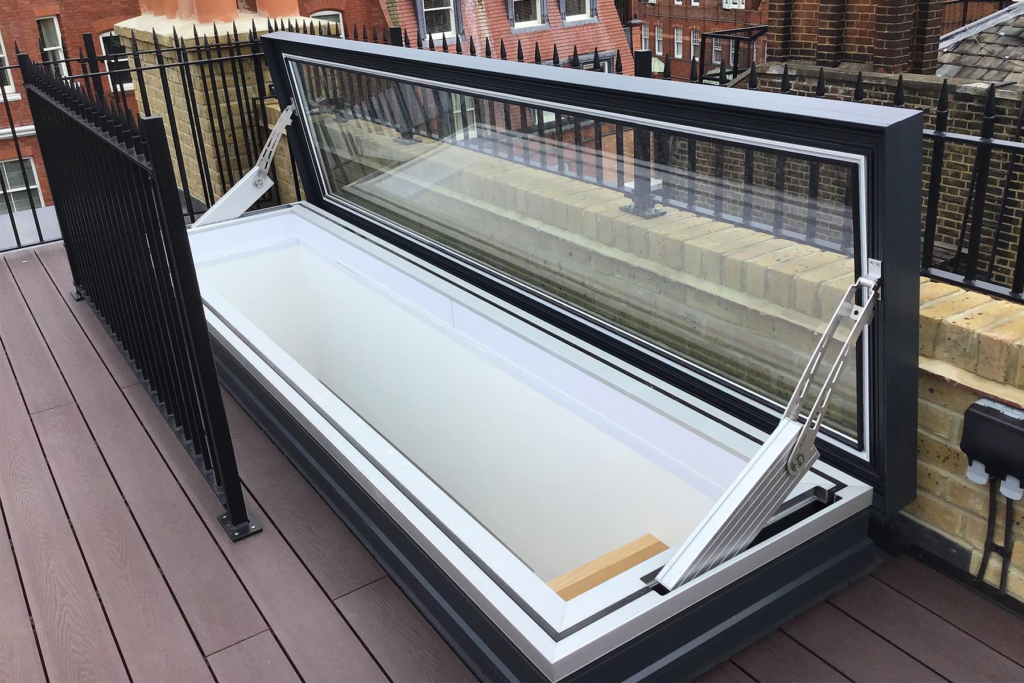
A flat roof access rooflight serves a different purpose from a simple fixed daylight panel. It can provide access through the roof as well as admitting natural light.
These systems may be considered for buildings where maintenance access, roof inspection, or occasional movement between internal and external areas is required. The opening mechanism, dimensions, security features, and structural requirements should be checked before purchase.
Access units can be particularly useful in commercial or industrial environments, but they should only be selected where the roof structure and installation method are suitable for the intended use.
Size and Position Matter
The size of a rooflight should match the room and the roof structure. A larger opening does not automatically produce a better result. Excessive glazing can increase solar gain, glare, or heat loss depending on the specification.
Position also affects the amount and distribution of daylight. A centrally positioned unit may spread light more evenly, while several smaller rooflights can distribute daylight across a larger area.
Before ordering, measure the available roof opening carefully. The required dimensions may refer to the structural opening, external frame size, or glazing size, so the manufacturer’s measurement guidance should always be followed.
Comparing Flat Rooflights for Sale
There are many flat rooflights for sale with differences in construction, glazing, opening style, thermal performance, and price. Comparing the technical specifications is more useful than judging products by photographs alone.
Look at factors such as:
- Overall dimensions
- Glazing type
- U-value or thermal performance
- Frame material
- Weather resistance
- Opening mechanism
- Installation requirements
- Warranty
- Maintenance requirements
For a residential project, aesthetics may carry greater weight. Commercial buyers may place more emphasis on durability, access, ventilation, and compliance with project specifications.
Buying Flat Rooflights Online
The growth of online building-product suppliers has made flat rooflights online easier to research before making a purchase. Online listings can provide product dimensions, technical information, installation instructions, and available configurations.
However, buyers should verify measurements and specifications rather than relying solely on product descriptions. Check whether the quoted dimensions represent the opening size or the complete unit size.
It is also worth checking delivery arrangements. Large glazing products require suitable packaging and careful transportation, so delivery conditions should be understood before placing an order.
What to Check Before You Purchase
Before you purchase flat rooflights, establish the basic requirements of the project. Start with the roof construction and available opening. Then consider whether the rooflight needs to be fixed, manually opening, or electrically operated.
Thermal performance should also be considered, particularly for heated rooms. A rooflight with suitable insulation characteristics can help maintain more consistent indoor temperatures.
Safety is another consideration. The glazing should be appropriate for its location and intended use, with suitable safety characteristics where required. For commercial or accessible roofs, additional requirements may apply.
Professional installation can also be worthwhile. Correct positioning, sealing, flashing, and integration with the existing roof covering are essential for long-term performance.
Ordering the Right Product
Anyone planning to buy flat rooflights online should prepare the required measurements and specifications before adding a product to the basket. This reduces the chance of ordering an unsuitable unit.
A useful checklist includes:
- Measure the structural opening.
- Identify the roof construction.
- Decide whether ventilation is required.
- Select suitable glazing.
- Check thermal and safety specifications.
- Confirm the frame and kerb requirements.
- Review installation instructions.
- Check delivery dimensions and conditions.
For unusual roof configurations, requesting technical advice from the supplier can help confirm compatibility before an order is placed.
Maintenance and Long-Term Performance
Rooflights generally require routine inspection to maintain their performance. Dirt and debris can reduce daylight transmission, while blocked drainage areas may affect water management around the unit.
Inspect seals, frames, and surrounding roof materials periodically. Any signs of cracking, moisture penetration, damaged flashing, or deterioration should be addressed promptly.
Opening rooflights may require additional checks because hinges, actuators, handles, and electrical components can experience wear over time.
Cleaning should follow the manufacturer’s recommendations, particularly where specialist glazing coatings are used.
See also: Why Should You Hire Bus Accident Lawyers After a Serious Collision?
Final Considerations
A well-specified modular flat rooflight can provide useful daylight while fitting the practical requirements of a flat-roof building. The best choice depends on the room, roof construction, required opening size, glazing performance, ventilation needs, and installation method.
Careful measurement and comparison of technical specifications can prevent costly mistakes. Buyers should also consider delivery, warranty, maintenance, and professional installation alongside the initial product price.
With these points established before ordering, a rooflight becomes more than a simple glazed opening. It can be a practical addition that improves natural lighting and makes better use of the space beneath a flat roof.