ByJohn A
Dance Hall Mirror Installation Creating the Perfect Practice Space
A well-installed dance hall mirror gives dancers something they cannot get from practice alone: an immediate view of posture, alignment, foot placement, and movement quality. For studios, rehearsal rooms, schools, and home practice spaces, properly positioned mirrors can make training more focused and productive. Luxurious Glass provides professional glass and mirror solutions that can help create a clean, functional practice environment.
Why Mirrors Matter in a Dance Studio
Dance is built around precision. A small change in shoulder position, hip alignment, turnout, or arm placement can affect an entire movement. Mirrors allow dancers to see these details while they are happening rather than waiting for an instructor to point them out.
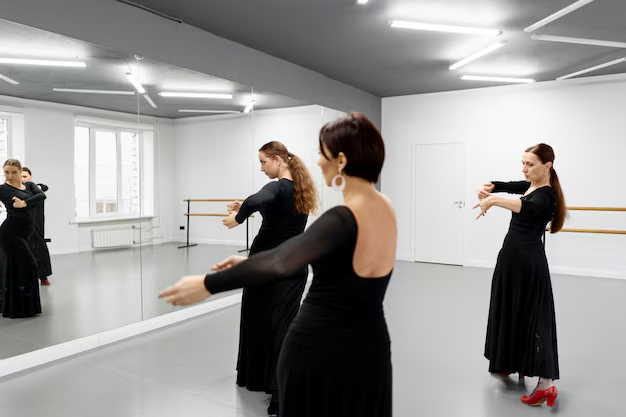
A mirrored wall also helps dancers understand spacing. Groups can observe their positions relative to one another, making formations easier to practice. This is particularly useful for ballet, jazz, contemporary, hip-hop, ballroom, and other styles that involve coordinated movement.
For instructors, mirrors offer another teaching aid. A teacher can demonstrate a movement while students observe their own execution at the same time. This creates a practical connection between instruction and self-correction.
Choosing the Right Wall for Mirror Installation
The location of the mirror is just as important as the mirror itself. A large uninterrupted wall is generally the strongest choice because it gives dancers a broad field of view without excessive breaks.
Before installation, consider:
- The main direction dancers face during practice
- Available wall width and height
- Existing doors, windows, outlets, and equipment
- Natural and artificial lighting
- Barre placement and other studio fixtures
- Clearance around the practice area
A wall directly opposite strong sunlight may create distracting glare at certain times of the day. Similarly, overhead lighting can reflect sharply from a poorly positioned mirror. Planning the wall location before ordering materials helps avoid these issues.
How Large Should Dance Studio Mirrors Be?
Mirror dimensions should match the room and the type of movement being practiced. A narrow mirror may be suitable for a small private rehearsal area, but larger studios typically benefit from wider coverage.
Height deserves particular attention. Dancers need to see more than their faces and upper bodies. Full-body visibility allows them to check everything from head position to foot placement.
For group classes, horizontal coverage is equally significant. A mirror that spans most of the practice wall lets several dancers observe themselves without crowding toward the center.
The final dimensions should also account for practical limitations such as wall construction, installation access, transportation, and the placement of other studio fixtures.
Safety Should Come Before Appearance
A dance studio is an active environment. Dancers jump, turn, stretch, travel across the floor, and occasionally lose balance. Mirrors installed in these spaces need to be secured appropriately for the environment.
Professional installation can help address issues such as:
- Secure wall attachment
- Proper support for large mirror panels
- Suitable installation materials
- Safe positioning around dance equipment
- Reduced risk from movement or accidental contact
- Appropriate treatment of edges and joints
Mirror safety is particularly important in studios used by children or high-energy dance groups. The installation method should be selected according to the wall structure and mirror size rather than relying solely on appearance.
Creating a Clean, Continuous Mirror Wall
Visible gaps between mirror panels can interrupt a dancer’s view and make the wall look unfinished. Careful planning of panel dimensions and placement can produce a more continuous appearance.
Large panels may provide fewer visual breaks, while smaller sections can sometimes be easier to transport and install. The best choice depends on the building, access points, wall dimensions, and structural requirements.
Alignment also matters. Uneven panel heights or noticeable variations between sections can distract from practice. Accurate measurements before installation help maintain consistent lines across the wall.
A clean mirror installation can also make a studio appear more spacious. Reflected light and open sightlines give the room a brighter visual character without requiring additional square footage.
See also: How to Improve Your Website’s Visibility and Reach More Customers
Mirror Placement Around Dance Barres
Many studios combine mirrors with wall-mounted or freestanding barres. The relationship between the two should be planned before installation.
A barre positioned too high or too low can interfere with the dancer’s view. Mounting hardware may also create additional considerations for mirror panels.
For ballet and technique classes, dancers often need to see their legs, torso, shoulders, and arms while working at the barre. Mirror placement should therefore provide useful visibility without creating an awkward obstruction.
A professional installer can coordinate mirror dimensions and barre positioning so both elements work comfortably within the available wall space.
Lighting Can Change the Entire Room
A mirror reflects whatever is placed in front of it, including lighting fixtures. This can be useful for brightening a room, but poorly planned lighting may create glare.
Soft, evenly distributed lighting is generally more comfortable for practice than harsh fixtures aimed directly toward reflective surfaces. Windows should also be considered because changing daylight can alter reflections throughout the day.
Before installation, look at the room from a dancer’s perspective. Stand in the practice position and check what appears in the proposed mirror area. This simple step can reveal reflections from lights, windows, equipment, or other distractions that may otherwise be overlooked.
Maintenance After Installation
Dance studios can collect dust, fingerprints, hairspray residue, and other marks quickly. Regular cleaning keeps mirrors clear and helps maintain a professional appearance.
Use a suitable glass-cleaning method and a soft, non-abrasive cloth. Avoid rough materials that can leave scratches or damage the surface. Cleaning products should also be appropriate for the mirror finish.
Studios with frequent classes may benefit from establishing a simple cleaning routine. Wiping high-touch areas regularly can reduce visible fingerprints and keep the practice wall ready for the next class.
It is also useful to inspect the installation periodically. If a panel appears loose, damaged, cracked, or unusually separated from neighboring sections, the area should be addressed before regular activity continues nearby.
Planning the Installation From the Start
A successful mirror project begins before the first panel reaches the wall. Measure the space carefully and identify anything that could affect the installation.
Consider the following during planning:
- Measure the wall: Record width, height, and any irregular sections.
- Check the wall: Determine whether the surface can support the planned installation.
- Mark obstacles: Note outlets, switches, doors, windows, pipes, and fixtures.
- Plan dancer visibility: Make sure the mirror provides useful full-body coverage.
- Review lighting: Identify potential glare and distracting reflections.
- Coordinate equipment: Account for barres, speakers, storage, and other studio items.
- Choose professional installation: Large mirror panels require careful handling and secure placement.
Taking these details into account can prevent expensive adjustments after installation has already begun.
A Mirror Wall That Supports Better Practice
The best dance spaces are designed around movement. Flooring, lighting, room dimensions, barres, acoustics, and mirrors all affect how dancers use the room. A carefully planned mirror wall should support practice without becoming a distraction.
For studio owners, the investment can also contribute to the overall impression of the facility. Clean, properly installed mirrors make rehearsal areas look organized and professional while giving dancers the visual feedback they need during training.
A thoughtfully designed dance practice room does not need excessive decoration. Functional details often make the greatest difference. Proper mirror coverage, safe installation, suitable lighting, and enough open floor space can create an environment where dancers can concentrate on technique.
Final Thoughts
Dance hall mirrors are more than reflective surfaces. They are practical training tools that help dancers monitor alignment, movement, spacing, and technique throughout a class or rehearsal. The right size, placement, lighting, and installation method can make a significant difference in how effectively a studio is used.
For studios planning a new mirror wall or upgrading an existing practice area, professional guidance can simplify the process and help ensure the finished installation fits the space properly. Contact us today to discuss your mirror installation requirements and create a dance practice space designed around the needs of your dancers.