ByJohn A
How General And Implant Dentistry Work Together For Full Mouth Rehab
You may be tired of piecing your mouth together one problem at a time. A cracked molar here, a missing tooth there, gums that bleed, old crowns that no longer fit right, and a bite that feels off by the end of the day. It adds up fast. Eating gets harder, smiling feels guarded, and every new dental visit can feel like one more decision you did not ask to make. For patients considering dental implants in Falls Church, these concerns can feel especially urgent.
That is where full mouth rehabilitation starts to make sense. It is not one treatment. It is a plan. A general and implant dentist looks at the whole picture, then uses routine restorative care and tooth replacement together so your mouth works as one system again. General dentistry handles the foundation, including gum health, decay, worn fillings, bite balance, and long term maintenance. Implant dentistry replaces missing teeth in a way that supports chewing, speech, and bone health. When those two sides work together, treatment is safer, more efficient, and more likely to last.
Full mouth rehab depends on both general and implant dentistry
People often assume dental implants are the main event. Sometimes they are not. If your gums are inflamed, if there is untreated decay, if your bite has shifted, or if several teeth are already failing, placing implants without fixing those issues first can create more trouble. You do not want a strong replacement tooth sitting in a weak system.
General dentistry clears the path. That may mean deep cleanings, periodontal care, root canal treatment, extractions, new crowns, replacing leaking fillings, or adjusting the way your teeth meet. Implant care comes in when missing teeth need a stable replacement. The planning is shared. The result is one coordinated rebuild instead of a string of disconnected procedures.
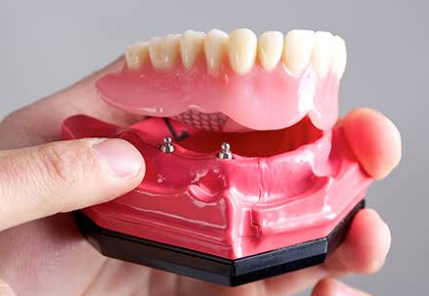
This is why full mouth reconstruction with dental implants is rarely only about implants. Your dentist is also thinking about jaw function, gum support, bone levels, speech, facial balance, and how you will keep everything clean five years from now. If one part is ignored, the rest can suffer.
Unresolved dental problems make treatment more expensive and more frustrating
You can live with a lot before you finally say, enough. Many people do. They chew on one side, avoid crunchy foods, smile with their lips closed, and tell themselves they will deal with it later. Then later becomes a broken bridge, a loose denture, a tooth infection, or bone loss in an area where a tooth has been missing for years.
That delay matters because missing teeth affect more than appearance. Bone in the jaw can shrink after tooth loss, which may change what type of implant treatment is possible. The FDA explains key safety and planning points in its guide to dental implants and what you should know. At the same time, worn or damaged natural teeth still need attention. Saving the right teeth often gives a rehab plan more stability and lowers the number of implants needed.
Materials matter too. Crowns, implant restorations, bonding agents, and other restorations have improved because of ongoing work in dental materials research. That helps dentists build plans that are stronger, more precise, and easier to maintain. Even so, better materials do not replace careful diagnosis. If your bite is unstable, even a well made crown or implant can be overloaded.
A coordinated plan also helps financially. If treatment is staged in the wrong order, you may end up redoing work. Picture replacing a front crown before correcting the bite and missing back teeth. Once the back support is restored, the front tooth may need a new shape or position. That is money and time you should not have to spend twice.
General dental care and implant treatment solve different parts of the same problem
| Need | General Dentistry Role | Implant Dentistry Role | Why Both Matter in Full Mouth Rehab |
|---|---|---|---|
| Gum disease or inflammation | Cleaning, periodontal therapy, ongoing maintenance | Implants are delayed until tissues are healthier | Healthy gums lower the risk of failure and support long term comfort |
| Missing teeth | Evaluate bite changes and neighboring teeth | Replace missing roots and support crowns or bridges | Chewing force is redistributed more evenly |
| Broken or worn teeth | Fillings, crowns, root canal treatment, bite adjustment | Used when teeth cannot be saved | Preserves natural teeth when possible and replaces what is no longer restorable |
| Bone loss after tooth loss | Identify timing and effect on nearby teeth | Assess implant placement and any added surgical needs | Planning early can expand your options |
| Long term maintenance | Exams, cleanings, repair of natural teeth | Implant checks, tissue monitoring, restoration maintenance | General and implant dentistry keeps the whole rehab functioning, not just one part |
A successful full mouth restoration starts with clear next steps
1. Ask for a diagnosis before you ask for a procedure.
If you go in asking only for implants, veneers, or new teeth, you may miss the reason your mouth got here in the first place. Ask what is healthy, what is failing, what can be saved, and what order makes the most sense. A proper plan for full mouth rehab explains function, not just cosmetics.
2. Get a phased treatment plan with priorities.
You need to know what must happen first, what can wait, and what each stage is meant to fix. Emergency care and disease control usually come before cosmetic finishing. Replacing missing back teeth may come before refining the front smile. A written sequence reduces surprises and helps you budget with more confidence.
3. Think about maintenance before treatment begins.
The best dentistry still needs care. Ask how you will clean around implants, how often you will need follow up, and what habits could damage the final result. Grinding, smoking, dry mouth, and skipped cleanings can shorten the life of both natural teeth and implant restorations. A good plan is one you can realistically maintain.
Working with a general and implant dentist can make full mouth rehab feel manageable
If your mouth feels like a collection of separate problems, you are not overreacting. It is exhausting to live with pain, missing teeth, and uncertainty about what comes next. The good news is that treatment does not have to be random. A skilled provider can connect general dental care with implant treatment so every step supports the next one.
When you are ready, schedule a consultation for a full evaluation and a clear treatment plan. The goal is not just to replace teeth. It is to help you eat, speak, smile, and live with less strain every day.