ByJohn A
Teeth Implants Dallas TX: Procedure, Recovery, and Aftercare
Missing teeth can affect your ability to chew comfortably, speak clearly, and smile with confidence. Whether you have lost a tooth because of decay, gum disease, or an injury, finding the right replacement option is important for maintaining your oral health. Dental implants are a widely used treatment that can replace missing teeth with restorations designed to look and function like natural teeth.
If you are researching teeth implants Dallas TX, understanding the treatment process, recovery timeline, and aftercare requirements can help you prepare for your dental journey. Dental implants are placed in the jawbone to support replacement teeth, providing a stable alternative to some traditional tooth replacement options.
In this guide, we will explain how dental implants work, what happens during the procedure, what to expect during recovery, and how to care for your implants for long-term oral health.
What Are Dental Implants?
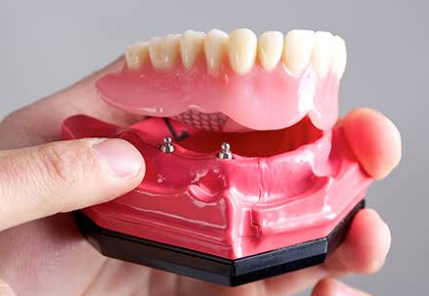
Dental implants are small posts, commonly made from titanium or other biocompatible materials, that are placed into the jawbone to replace the roots of missing teeth. After the implants integrate with the surrounding bone, they can support crowns, bridges, or dentures.
Unlike traditional dental bridges, which usually rely on neighbouring teeth for support, individual dental implants can replace missing teeth without requiring adjacent healthy teeth to be reshaped.
How Do Dental Implants Work?
Dental implants typically involve three main components:
- Implant post: The component placed in the jawbone that acts as an artificial tooth root.
- Abutment: A connector that attaches the implant to the replacement tooth.
- Dental crown or restoration: The visible portion that replaces the missing tooth or teeth.
These components work together to restore the appearance and function of your smile. The specific design depends on the number of missing teeth, your oral health, and the treatment plan recommended by your dentist.
Benefits of Getting Teeth Implants in Dallas, TX
Dental implants offer several potential benefits for patients who need to replace missing teeth.
1. Restore Chewing Function
Missing teeth can make chewing certain foods uncomfortable or difficult. Dental implants provide a stable foundation for replacement teeth, helping restore chewing function when treatment is successful.
The final result depends on the location of the missing teeth, the type of restoration, and your overall oral health.
2. Improve Smile Appearance
Dental implant restorations are designed to complement your natural teeth in shape, colour, and size. A well-planned restoration can fill gaps and help create a balanced, natural-looking smile.
3. Help Preserve Jawbone
When a tooth is lost, the jawbone in that area may gradually shrink because it no longer receives stimulation from the natural tooth root.
Dental implants transmit functional forces to the surrounding bone and can help preserve bone in the areas where they are placed. However, they do not prevent every type of bone loss, so regular dental monitoring remains important.
4. Support Neighbouring Teeth
An individual dental implant generally does not require adjacent healthy teeth to be reshaped for support. This can help preserve the natural structure of neighbouring teeth compared with some conventional bridge treatments.
5. Provide Long-Term Tooth Replacement
Dental implants can provide long-lasting support for replacement teeth when they are appropriately planned and maintained. Their longevity depends on factors such as gum health, oral hygiene, smoking habits, bite forces, and regular professional care.
Although implants may last for many years, crowns, bridges, or other restoration components may need maintenance or replacement over time.
The Dental Implant Procedure: Step by Step
Getting dental implants usually involves several stages. The exact process depends on your oral health, the number of missing teeth, and whether additional procedures are required.
Step 1: Initial Consultation and Examination
The first step is a comprehensive dental assessment. Your dentist will examine your teeth and gums, review your medical history, and discuss your treatment goals.
Dental X-rays or three-dimensional imaging may be recommended to assess jawbone volume, identify important anatomical structures, and determine appropriate implant positions.
During this visit, your dentist will evaluate:
- The number and location of missing teeth.
- The health of your gums and remaining teeth.
- The amount and quality of available jawbone.
- Your bite and chewing patterns.
- Medical conditions or medications that could affect healing.
Based on these findings, the dentist will develop a personalised treatment plan.
Step 2: Preparing for Implant Surgery
Some patients need additional treatment before implant placement. For example, a damaged tooth may need to be extracted, or bone grafting may be recommended if the jawbone does not provide sufficient support.
Active gum disease and dental infections generally need to be treated before proceeding.
Your dentist will explain the preparation required, discuss anaesthesia options, and provide instructions to help you prepare for surgery.
Step 3: Dental Implant Placement
During implant surgery, the dentist places the implant post into the jawbone. The procedure is generally performed under local anaesthesia, with sedation available in selected cases.
The dentist makes an opening in the gum and prepares the bone to receive the implant. After positioning the implant, the gum tissue is managed to support healing.
Depending on the clinical situation, a temporary tooth may be provided. However, immediate temporary teeth are not appropriate for every patient, as the decision depends on implant stability, bone quality, and biting forces.
Step 4: Healing and Osseointegration
After implant placement, the implant needs time to integrate with the surrounding bone. This process is known as osseointegration and creates the stable foundation needed to support the final restoration.
Healing often takes several months, although the timeline varies according to bone quality, implant location, general health, and whether bone grafting was performed.
Your dentist will monitor your progress and advise you about eating, cleaning your mouth, and protecting the healing area.
Step 5: Attaching the Final Restoration
Once the implant is sufficiently stable, your dentist will arrange the final crown, bridge, or denture.
The restoration is designed to fit comfortably and complement your remaining teeth. Your dentist will check the fit, appearance, and bite before completing the treatment.
Follow-up visits may be necessary to make adjustments and ensure that the restoration functions properly.
What Is the Recovery Time After Teeth Implants?
Recovery varies from person to person. The initial healing period following implant surgery is different from the longer period required for the implant to integrate fully with the jawbone.
First 24–72 Hours
Some swelling, mild bleeding, bruising, and discomfort are common after surgery. These symptoms are usually most noticeable during the first few days and should gradually improve.
Your dentist may recommend cold compresses, prescribed or approved pain medication, and rest during this period.
First One to Two Weeks
The gum tissue generally continues healing during the first couple of weeks. You may need to eat softer foods and avoid putting unnecessary pressure on the surgical site.
Follow your dentist’s instructions about brushing, rinsing, physical activity, and any prescribed medication.
Following Several Months
Bone integration may take several months, depending on the individual treatment plan. If bone grafting or other procedures were required, healing may take longer.
The final restoration is attached when the dentist determines that the implant is sufficiently stable. In selected cases, a temporary restoration may be used during the healing period.
Contact your dentist promptly if you experience worsening pain, increasing swelling, persistent bleeding, fever, or discharge from the surgical area.

Essential Aftercare Tips for Dental Implants
Proper aftercare helps support healing and protects the tissues surrounding your implants.
1. Maintain Good Oral Hygiene
Brush twice daily using a soft-bristled toothbrush and fluoride toothpaste. Clean carefully around the implant and restoration, following the instructions provided by your dentist.
After healing, interdental brushes or specialised floss may help clean areas that are difficult to reach with a regular toothbrush.
2. Follow a Suitable Diet
During the initial healing period, choose soft foods that require minimal chewing. Depending on your dentist’s instructions, suitable options may include yoghurt, mashed vegetables, eggs, and soft fish.
Avoid hard, crunchy, or sticky foods that could irritate the surgical area or place excessive pressure on the healing implant.
Gradually return to your usual diet only as recommended by your dental professional.
3. Avoid Smoking and Tobacco Products
Smoking and tobacco use can interfere with healing and increase the risk of implant complications. Avoiding tobacco before and after surgery can help improve the conditions for healing.
Ask your dentist for support if you need help stopping smoking during treatment.
4. Attend Regular Dental Check-Ups
Routine dental appointments allow your dentist to examine the implants, restoration, and surrounding gum tissue.
Professional cleaning and monitoring can help identify inflammation, changes in the bite, or other problems before they become more serious.
5. Protect Your Implants from Excessive Pressure
Avoid chewing ice or biting hard objects. If you grind or clench your teeth, discuss this with your dentist because excessive biting forces may affect the restoration.
A protective night guard may be recommended in certain cases.
How Much Do Teeth Implants Cost in Dallas, TX?
The cost of dental implants in Dallas varies depending on the number of implants required, the type of restoration, the complexity of surgery, and the materials used.
Additional procedures, such as tooth extraction, bone grafting, or treatment for gum disease, may increase the overall cost.
Your treatment estimate may include the implant post, abutment, crown or bridge, diagnostic imaging, temporary restoration, and follow-up visits. However, inclusions vary between treatment plans.
Before beginning treatment, ask for an itemised estimate and check whether your dental insurance provides any benefits for implant-related procedures. You can also ask about payment arrangements and the potential cost of future maintenance.
Who Is a Good Candidate for Dental Implants?
Dental implants may be suitable for adults with one or more missing teeth who want a stable tooth replacement option.
Potential candidates generally need healthy gums or appropriately treated gum disease, sufficient jawbone or the possibility of bone grafting, and the ability to maintain good oral hygiene.
Factors such as uncontrolled diabetes, smoking, certain medications, and some medical conditions can affect healing. These factors do not automatically rule out implant treatment, but they require careful assessment.
A dental examination is the best way to determine whether implants, bridges, dentures, or another treatment is appropriate for your circumstances.
Conclusion
Dental implants can be an effective option for replacing missing teeth and restoring chewing function, smile appearance, and oral comfort. Understanding the procedure, recovery timeline, and aftercare requirements can help you prepare for treatment and make informed decisions.
If you are researching teeth implants Dallas TX, consider arranging a consultation with a qualified dental professional to discuss your oral health, treatment options, expected costs, and recovery needs.
With appropriate treatment planning, good oral hygiene, and regular dental check-ups, dental implants can provide long-term support for a healthy, functional smile.