ByJohn A
Roof Installation Central Coast: Tips for a Long-Lasting Roofing System
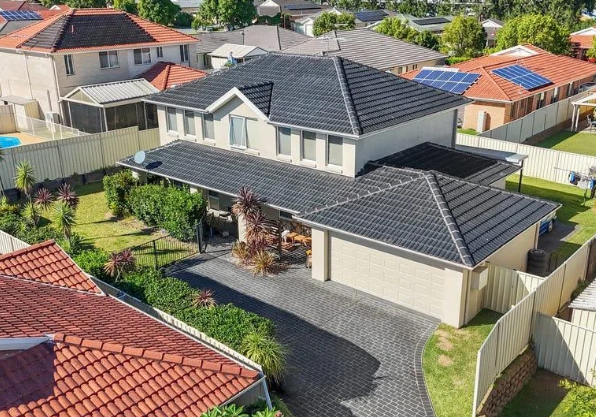
A well-installed roof is essential for protecting a home from changing weather conditions, maintaining indoor comfort, and preserving the property’s overall value. For homeowners on the Central Coast, choosing the right roofing materials and installation methods is particularly important because coastal environments can expose roofs to salt-laden air, strong winds, heavy rainfall, and prolonged sunlight.
Investing in professional roof installation in Central Coast services can help homeowners establish a durable roofing system that meets their property’s needs. However, achieving long-lasting results requires more than selecting quality materials. Proper roof preparation, effective drainage, suitable insulation, skilled workmanship, and regular maintenance all contribute to the roof’s overall performance.
Understanding these essential factors can help homeowners make informed decisions and avoid common roofing problems in the years ahead.
Understanding What Makes a Roof Last Longer
A roof’s lifespan depends on several factors, including the materials used, installation quality, environmental exposure, and maintenance practices. Even durable roofing materials may deteriorate prematurely if they are installed incorrectly or exposed to conditions they are not designed to withstand.
Coastal properties face additional challenges because airborne salt can accelerate corrosion in susceptible metal components. Strong winds may place pressure on roofing sheets and fixings, while heavy rain can expose weaknesses in flashing, gutters, and drainage systems.
Homeowners should therefore consider the entire roofing system rather than focusing only on the visible roof covering. A properly designed system includes suitable materials, secure fixings, effective weatherproofing, adequate ventilation, and reliable water drainage.
Taking a comprehensive approach from the beginning can help reduce the likelihood of premature deterioration and unexpected repair costs.
1. Select Roofing Materials That Suit Coastal Conditions
Choosing appropriate roofing materials is one of the most important steps towards achieving a long-lasting roof. Different materials have different strengths, maintenance requirements, and levels of resistance to environmental exposure.
Metal roofing is often chosen for its durability, relatively low maintenance requirements, and variety of available profiles. However, the specific metal, protective coating, and fasteners must be suitable for the property’s location and exposure to salt.
Other roofing materials may also be appropriate, depending on the home’s structure, architectural style, and budget.
When comparing options, homeowners should consider:
- Weather resistance: Choose materials designed to withstand the local wind and rainfall conditions.
- Corrosion protection: For metal roofs, confirm that the material and coating are suitable for coastal exposure.
- Durability: Review the expected service life and maintenance requirements of the selected product.
- Weight: Ensure the existing or proposed roof structure can safely support the roofing system.
- Appearance: Select a profile and colour that complement the property’s design.
- Long-term costs: Consider installation, maintenance, and potential repair expenses alongside the initial price.
A professional roofing assessment can help identify materials that provide a suitable balance of durability, appearance, and cost.
2. Prepare the Roof Structure Before Installation
A durable roofing system starts with a sound foundation. Installing new roofing materials over damaged or deteriorated structural components can lead to problems that may not become visible until months or years later.
Before installation begins, the existing roof structure should be assessed for signs of timber decay, damaged battens, weakened supports, moisture penetration, and other defects.
If the project involves replacing an existing roof, removing the old covering may reveal hidden issues that need to be addressed before work continues.
Proper preparation generally includes:
- Inspecting accessible roof framing and supporting components.
- Checking the roof deck or battens for damage and deterioration.
- Identifying areas affected by leaks or prolonged moisture exposure.
- Confirming that the structure is suitable for the proposed roofing material.
- Addressing necessary repairs before fitting the new roof.
- Planning safe access and suitable installation methods.
Taking time to prepare the structure helps provide a stable base for the new roofing system and reduces the risk of underlying problems affecting its performance.
3. Ensure Proper Roof Fixing and Weatherproofing
Correct installation techniques play a major role in determining how well a roof performs over time. Poorly positioned fasteners, inadequate fixing arrangements, and improperly sealed roof junctions can leave a property vulnerable to wind damage and water entry.
On the Central Coast, roofing systems must be appropriate for the property’s exposure to local wind conditions. Fixing patterns, fastener types, and installation methods should follow the requirements of the selected roofing system and applicable building standards.
Weatherproofing details deserve particular attention in areas where different roof components meet.
Important areas include:
- Roof valleys and changes in roof direction.
- Flashing around chimneys, vents, and other penetrations.
- Ridge caps and roof edges.
- Connections between roofing sheets and adjoining structures.
- Gutters and drainage outlets.
- Joints and transitions between different roofing materials.
These details may occupy only a small part of the roof, but failures in these areas can allow moisture to enter the building and cause extensive damage.
Professional installation helps ensure that the roof covering and its associated components function together as a complete weather-resistant system.
4. Improve Drainage to Prevent Water Damage
Effective drainage is essential for maintaining roof performance, especially in areas that experience periods of heavy rainfall. Water that cannot drain away efficiently may accumulate around roof junctions, overflow gutters, or enter the building through vulnerable areas.
A well-designed roofing system should direct rainwater towards suitable gutters and downpipes without creating unnecessary pooling or pressure on joints.
Homeowners should pay attention to several drainage considerations:
- Roof pitch: Ensure the slope is suitable for the selected roofing material and expected water flow.
- Gutter capacity: Choose a system that can manage rainfall appropriate to the property and local conditions.
- Downpipe placement: Provide suitable drainage outlets to reduce the risk of overflow.
- Debris management: Keep gutters and valleys clear of leaves, branches, and accumulated dirt.
- Roof junctions: Ensure valleys and other collection points are properly formed and weatherproofed.
Overhanging trees may increase the amount of debris entering gutters, making regular cleaning particularly important.
Maintaining effective drainage can help prevent water penetration, protect exterior walls, and reduce the risk of moisture-related damage inside the home.
5. Prioritise Insulation and Roof Ventilation
A long-lasting roof should do more than keep out rain. It should also contribute to a comfortable indoor environment and help manage heat and moisture within the building.
During warmer periods, sunlight can increase roof temperatures and transfer heat into the living space. Suitable insulation and ventilation can help manage these effects and may reduce the demand for mechanical cooling.
Reflective roofing finishes can also help reduce solar heat absorption, depending on the material, colour, and surface characteristics.
When planning a roofing project, homeowners should consider:
- Roof insulation: Select insulation appropriate for the building’s construction and thermal requirements.
- Ventilation: Provide suitable ventilation where required by the roof design and building regulations.
- Condensation management: Consider appropriate underlays and ventilation strategies to manage moisture.
- Reflective finishes: Evaluate roofing colours and finishes that may help reduce heat absorption.
- Airflow: Ensure insulation and other components do not unintentionally obstruct required ventilation pathways.
Insulation and ventilation should be planned as part of the overall roofing system. Poorly coordinated components can contribute to condensation, reduced thermal performance, or moisture-related problems.
A qualified roofing professional can help assess which improvements are appropriate for the property.
6. Protect Metal Roofing Components From Corrosion
For homes with metal roofing, corrosion prevention is an important part of maintaining a durable roof. Salt particles carried through coastal air can affect exposed metal surfaces and may accelerate deterioration when materials are unsuitable or protective coatings become damaged.
Corrosion can also develop when incompatible metals come into contact or when incorrect fasteners and accessories are used.
To help protect a metal roofing system, homeowners should consider the following measures:
- Choose roofing materials and protective coatings appropriate for the property’s salt exposure.
- Use compatible fasteners, flashings, and accessories.
- Avoid damaging protective coatings during installation or subsequent maintenance.
- Follow the manufacturer’s recommendations for cleaning and inspection.
- Address damaged coatings, loose fixings, and early signs of corrosion promptly.
- Keep gutters and drainage areas free from debris and persistent moisture.
Properties located very close to the ocean may require more specialised material selection and maintenance than homes further inland.
The aim is not simply to install a corrosion-resistant roof, but to ensure that all connected components are suitable for the same environment.
7. Work With Qualified Roofing Professionals
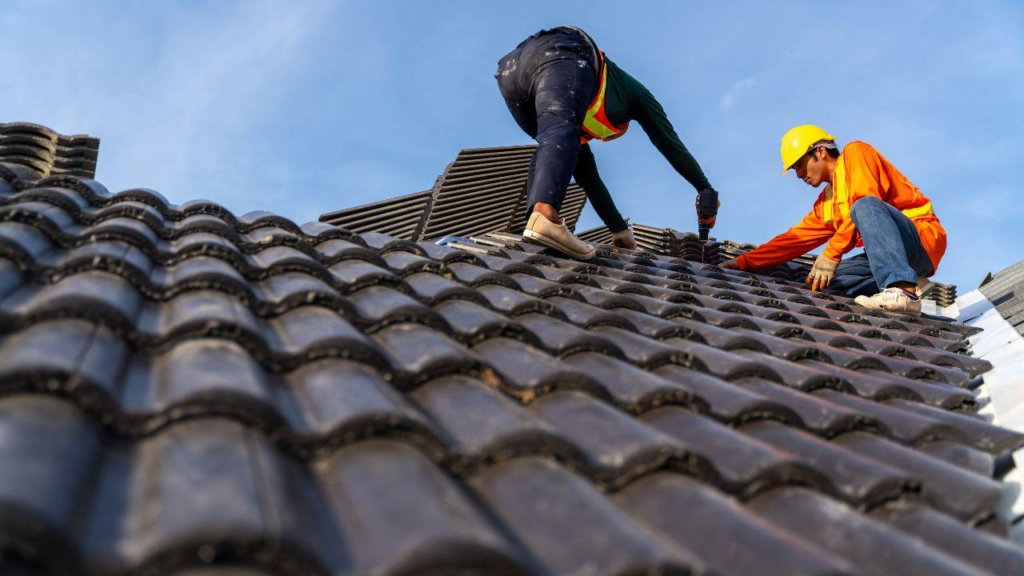
Even carefully selected materials can underperform if the installation is not completed correctly. Experienced roofing professionals understand the importance of structural preparation, safe working practices, material compatibility, and detailed weatherproofing.
Professional assistance can also help homeowners identify potential issues before they become expensive problems.
When selecting a roofing contractor, consider whether they can provide:
- Relevant qualifications, licences where required, and appropriate insurance.
- A clear assessment of the existing roof and any necessary repairs.
- Recommendations based on local environmental conditions.
- A detailed written quotation outlining the work included.
- Information about materials, installation methods, and warranty conditions.
- A realistic project schedule and clear communication.
- Appropriate safety procedures and disposal arrangements.
It is also useful to ask how the contractor will handle unexpected structural damage discovered during the work.
Choosing a contractor based solely on the lowest price may overlook important differences in materials, preparation, and installation quality. Comparing the full scope of work provides a clearer understanding of the value being offered.
8. Schedule Regular Roof Inspections and Maintenance
Even a professionally installed roof requires periodic care. Regular inspections can help identify minor issues before they develop into leaks, structural damage, or extensive repairs.
The frequency of inspections depends on the roofing material, the property’s exposure to coastal conditions, nearby vegetation, and the manufacturer’s maintenance recommendations.
A practical roof maintenance routine should include:
- Checking for visible damage after significant weather events.
- Looking for loose roofing sheets, damaged flashing, or deteriorating seals.
- Cleaning gutters and downpipes to maintain effective drainage.
- Inspecting accessible areas for signs of moisture penetration.
- Checking metal components for rust or damaged protective coatings.
- Removing accumulated debris where it can be done safely.
- Arranging professional inspections when defects or unusual changes are noticed.
Homeowners should avoid climbing onto roofs without appropriate training and safety equipment. Roof inspections are often best handled by qualified professionals, particularly when the roof is steep, wet, or damaged.
Consistent maintenance helps preserve the roofing system and may extend its useful service life.
9. Plan Your Roofing Investment for Long-Term Performance
Roofing costs should be assessed in terms of both the initial investment and the ongoing expenses associated with ownership. A low upfront price may not represent the best value if the selected materials are unsuitable for coastal exposure or require frequent repairs.
Before proceeding with a roof installation project, homeowners should evaluate the full scope of the work.
Consider the following factors:
- Material and labour costs: Understand the cost of the roofing sheets, accessories, and installation.
- Preparation and repairs: Allow for necessary structural repairs and removal of old materials.
- Insulation and ventilation: Determine whether improvements are needed to support indoor comfort and moisture management.
- Drainage components: Include suitable gutters, downpipes, and other necessary accessories.
- Warranty conditions: Review coverage, exclusions, and required maintenance.
- Future maintenance: Consider the likely cost of inspections, cleaning, and minor repairs.
Obtaining detailed quotations from qualified contractors can help homeowners compare options fairly and identify missing items before work begins.
A carefully planned investment can provide better value over time by reducing avoidable maintenance problems and helping the roofing system perform as intended.
See also: Why Should You Hire Bus Accident Lawyers After a Serious Collision?
Conclusion
A long-lasting roof depends on the right combination of suitable materials, proper installation, effective drainage, adequate insulation, and consistent maintenance. For properties along the Central Coast, these considerations are particularly important because coastal conditions can accelerate wear and expose weaknesses in roofing systems.
Professional roof installation Central Coast services can help homeowners select materials appropriate for their property, prepare the roof structure correctly, and ensure that essential weatherproofing details receive proper attention.
By investing in quality workmanship, addressing potential problems early, and following a regular maintenance routine, homeowners can improve their roof’s reliability and protect their property from avoidable damage.
Ultimately, the key to a durable roofing system is a well-planned installation supported by appropriate materials and ongoing care. These steps can help maintain the home’s comfort, appearance, and protection for years to come.