
You may have been putting this off for months, even years. Maybe eating has become awkward, smiling in photos feels uncomfortable, or you are tired of working around missing teeth instead of fixing the problem. If you are looking for guidance from a Wichita Falls dentist, dentures and partials can help, but the decision rarely feels simple. Cost, fit, appearance, daily care, and the fear of choosing the wrong option all tend to show up at once.
The short version is this. Dentures and partials can restore function and confidence, but they are not one size fits all. Your mouth, bone support, remaining teeth, and long term goals all matter. Knowing what to expect before treatment makes the process less stressful and helps you avoid choices that look cheaper or easier at first, then create more trouble later.
Dentures and partials work best when they match your oral health needs
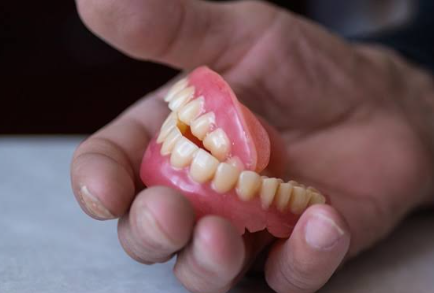
Full dentures replace all teeth in the upper arch, lower arch, or both. Partials replace some missing teeth and usually anchor around your remaining natural teeth. That sounds straightforward until your mouth adds complications. If you have gum disease, loose teeth, dry mouth, sore spots, or bone loss, the appliance that looks fine on paper may not feel fine in real life.
This is where many people get frustrated. They assume a denture is just a denture, then find out that fit depends on the shape of the gums and jaw underneath it. A lower denture often moves more than an upper one because it has less surface area to hold onto. A partial may preserve chewing ability well, but only if the supporting teeth are healthy enough to carry the load.
If you want a plain language overview of the basics, MedlinePlus explains dentures clearly, including how they replace missing teeth and what daily use can involve. That matters because realistic expectations are half the battle. Good dentures can improve your life. They do not feel exactly like natural teeth.
The adjustment period is real, and it affects eating, speaking, and comfort
People often expect immediate relief once they get their appliance. The first weeks can feel more like a break in period. You may notice extra saliva, pressure points, mild soreness, or speech changes while your mouth learns a new pattern. Certain foods may feel harder to chew. Words with sharp consonants may come out differently at first. None of that means the treatment failed.
The harder part is emotional. If you already feel self conscious, even a normal adjustment can feel like proof that you made the wrong decision. That is why follow up visits matter. Sore spots can often be adjusted. Bite problems can often be corrected. Fit may need refinement as tissues settle, especially after extractions.
To understand the kind of problems that can happen with missing teeth before treatment, including shifting teeth and chewing trouble, review this MedlinePlus page on tooth loss. It helps explain why replacement is not only about appearance. Your bite changes over time when gaps are left alone.
Cost matters, but the cheapest option can become the most expensive one
A low upfront price can be tempting when you are already dealing with dental bills. You may see offers that sound easy and fast, but a poor fit can lead to repeated adjustments, broken appliances, gum irritation, and limited use. If your partial is built around unhealthy teeth, you may end up paying for extractions and a replacement appliance sooner than expected.
The stronger question is not only “What does it cost today?” It is “What will this choice cost me over the next few years?” A well planned partial denture treatment may protect remaining teeth and maintain function longer. A rushed decision may solve one problem and create three more.
| Option | Best Fit | Common Benefits | Common Tradeoffs |
| Full Dentures | People missing all teeth in an arch | Restores appearance and basic chewing, removable for cleaning | May shift, especially on the lower arch, often needs adjustment |
| Partial Dentures | People with some healthy remaining teeth | Fills gaps while keeping natural teeth, often smaller than full dentures | Depends on support teeth, may feel bulky at first |
| Delay Treatment | People unsure about next steps | No immediate expense | Shifting teeth, bite changes, harder chewing, possible added treatment later |
Long term success depends on maintenance, relines, and regular dental care
Dentures and partials are not a one time purchase you forget about. Your mouth changes. Bone and gum tissue can shrink over time, which affects fit. A denture that once felt secure may begin to rub or slip. A partial that worked well may need changes if a supporting tooth weakens. Relines, repairs, and periodic exams are part of the process.
Daily cleaning matters too. Food and plaque can collect on the appliance and around remaining teeth. If you wear partials, the natural teeth holding that appliance become even more valuable. Protecting them is part of protecting the whole investment.
If you do not currently have a dentist or need help locating care, the National Institute of Dental and Craniofacial Research offers resources for finding dental care. That step can save you from making a rushed decision based only on price or convenience.
Three steps help you make a smarter dentures decision
Get a full exam before choosing the appliance. You need to know the condition of your gums, bone, and remaining teeth first. A dentures and partials plan only works when the foundation is healthy enough to support it.
Ask how the appliance will affect your daily life. Talk through meals, speech, cleaning, sleeping, and follow up visits. If you work with the public, eat on the go, or have hand strength issues, those details matter more than brochures do.
Think beyond the delivery date. Ask about adjustments, relines, repairs, and what happens if more teeth are lost later. A strong plan for ongoing care usually leads to a better result than chasing the fastest version of general dentist treatment.
You do not need to have every answer before you schedule an appointment. You just need enough clarity to stop guessing. Missing teeth affect comfort, nutrition, speech, and confidence, and the right prosthetic tooth replacement can make daily life easier. Take the next step when you are ready and speak with a dental professional about whether dentures or partials fit your needs.