
You notice the change before anyone else does. Your rabbit stops finishing breakfast. Your guinea pig sits a little too still. Your cockatiel fluffs up and stays quiet. Small mammals and birds hide illness well, so when something feels off, it can feel urgent fast. That stress is real, because these pets can go from seeming fine to needing medical help in a short window, where pets receive personalized veterinary attention.
How animal clinics provide care for small mammals and birds comes down to one thing. They do not treat these pets like tiny cats or dogs. A veterinary clinic that sees rabbits, guinea pigs, hamsters, rats, ferrets, parrots, canaries, and other companion birds adjusts handling, exams, housing, diagnostics, pain control, and nutrition to fit the species in front of them. That tailored care often makes the difference between a delayed diagnosis and a clear plan.
Small mammals and birds need species specific veterinary care
A bird that sits on the cage floor, a rabbit that stops eating, or a rat that starts breathing harder may already be quite sick. That is one of the hardest parts of caring for these pets. By the time symptoms are obvious, the problem may have been building for days or weeks.
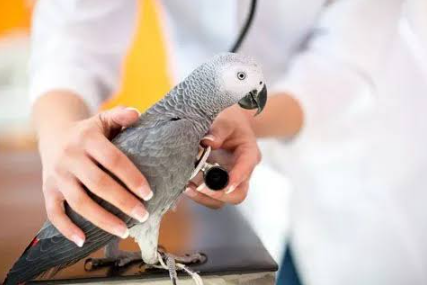
Animal clinics that treat exotics know this pattern. They look for subtle signs first. Weight loss, changes in droppings, feather damage, teeth issues, overgrown nails, posture, breathing effort, and hydration all matter. For rabbits and rodents, the exam often focuses on the teeth, gut movement, and signs of pain or bloat. For birds, the clinic may pay close attention to body condition, breathing sounds, feather quality, beak health, and droppings.
This is why care for pet birds and small mammals usually includes more than a basic physical exam. The team may recommend gram stains, fecal testing, blood work, imaging, or dental evaluation depending on the species and symptoms. Teaching hospitals and specialty services such as zoological medicine programs and exotic pet services are built around that level of detail.
Common health problems can become emergencies quickly
You may be dealing with an issue that looked small at first. A rabbit eating fewer pellets can actually be sliding into gastrointestinal stasis. A bird that seems sleepy may be struggling to breathe. A guinea pig with a rough coat might have dental disease that is keeping it from eating enough. Ferrets can develop adrenal disease, insulinoma, or intestinal blockages that need prompt care.
The emotional part is hard because owners often blame themselves. You clean the habitat, buy the food the label recommends, and watch for problems, yet your pet still gets sick. The truth is that many illnesses in these species are tied to biology, stress, hidden pain, or diet issues that are not obvious until a veterinarian examines them.
Nutrition is a major piece of prevention and treatment. Poor diet can lead to obesity, vitamin deficiencies, weak bones, dental disease, and gut trouble. Birds may develop serious problems from seed heavy diets. Rabbits and guinea pigs often need high fiber feeding plans centered on hay, with guinea pigs also needing vitamin C support. Reliable feeding guidance from sources like the UC Davis avian and exotics care and feeding guide can help owners understand what normal care should look like at home.
Veterinary clinics adapt exams treatment and handling for exotic pets
Small mammal and bird veterinary care works best when the clinic environment lowers stress. That can mean quieter exam spaces, warm support during recovery, oxygen for birds in distress, and gentle handling that protects fragile bones, sensitive airways, and fast metabolisms. Even the way a pet is wrapped, held, or transported matters.
Treatment plans also look different from what many people expect in general pet medicine. A rabbit with reduced appetite may need pain relief, syringe feeding, fluids, motility support, and imaging to find the cause. A bird with feather destruction may need skin testing, blood work, diet correction, and behavior review. A hamster with swelling may need sedation for a safe exam because stress itself can worsen the situation.
Cost can be part of the worry. Diagnostics for these pets are still real medicine, and specialized training often shapes the price. The upside is that a focused exam early can prevent a larger emergency later. Waiting to see if a bird perks up or if a rabbit starts eating again by morning can turn a manageable problem into hospitalization.
Home monitoring and veterinary care serve different roles
| Situation | Home Monitoring | Veterinary Clinic Care |
|---|---|---|
| Bird is quieter than usual but still eating | Track weight, droppings, appetite, and activity for a short period | Exam checks for hidden respiratory illness, infection, or nutrition related disease |
| Rabbit stops eating for several hours | Offer hay and water, observe droppings, reduce stress | Urgent care may be needed for pain, gut stasis, blockage, dehydration, or dental disease |
| Guinea pig has weight loss and drooling | Soft foods may help briefly, but delay increases risk | Dental exam, pain relief, nutrition support, and trimming or treatment under proper restraint |
| Rat has noisy breathing | Keep warm and minimize handling | Respiratory disease can worsen quickly and may need medication and supportive care |
Three steps you can take right away
Start a daily baseline. Weigh your pet regularly with a gram scale if the species is small enough. Track appetite, droppings, water intake, and behavior. Small changes show up here before they are obvious to the eye.
Review diet and habitat closely. Check whether your pet’s food, enclosure size, temperature, perches, bedding, and enrichment fit the species. Many chronic problems start with care issues that are easy to miss because pet store advice is often too general.
Find a clinic before there is an emergency. Call a veterinary clinic that sees birds and small mammals, ask which species they treat, and schedule a wellness visit. When an urgent problem happens, you do not want to be searching while your pet is declining.
Early care gives small pets a better chance
When you live with a bird or a small mammal, you learn their routines down to the smallest detail, so when something changes, trust that instinct. A good veterinary clinic respects how fast these cases can move and builds care around the species, not around dog and cat standards. Early exams, better nutrition, and prompt treatment give these pets a stronger chance at recovery and a more comfortable life.
If your pet is eating less, acting differently, losing weight, or showing any sign of distress, contact a veterinary clinic that treats exotic pets and schedule care as soon as possible.