ByJohn A
Custom Jute Rugs for Every Room: Ideas for a Natural Look
Natural materials have a way of making a room feel settled without demanding attention. Jute is a particularly useful choice for interiors because its earthy texture, muted colour and woven appearance can work with a wide range of decorating styles. From a bright living room to a quiet bedroom, a well-chosen jute rug can add warmth while keeping the overall look understated.
For homes with unusual layouts, specific dimensions or particular furniture arrangements, custom jute rugs offer more flexibility than standard sizes. Instead of adjusting the room around a ready-made rug, homeowners can choose dimensions that suit the space and create a more balanced arrangement.
A Softer Foundation for the Living Room
The living room is often the easiest place to introduce a jute rug. Its natural texture pairs well with timber furniture, linen upholstery, leather seating and neutral fabrics. A large woven rug can sit beneath the sofa and chairs, visually bringing separate pieces of furniture into one seating area.
Size makes a noticeable difference here. A rug that is too small can make the furniture arrangement appear disconnected, while an oversized rug may dominate the floor. Custom sizing allows the rug to follow the actual proportions of the seating area.
For a relaxed interior, try a natural tan jute rug with cream sofas and wooden furniture. Homes with darker furniture can use a deeper-toned woven design to create contrast without introducing a strong colour.
A Natural Touch Under the Dining Table
Dining areas benefit from rugs that define the table and chairs without making the space feel formal. Jute works particularly well beneath rectangular and round dining tables because the woven surface adds visual interest beneath simple furniture.
A custom rug can be sized so that chairs remain on the rug even when pulled away from the table. This detail is worth considering before ordering, as a rug that only fits beneath the table can feel undersized once the chairs are in use.
Round tables can also benefit from circular jute rugs. Matching the shape of the rug to the table creates a deliberate arrangement and helps soften rooms dominated by straight lines.
Bringing Warmth to the Bedroom
Jute does not need to be limited to communal spaces. In a bedroom, it can provide a textured layer beneath the bed while keeping the colour scheme calm. A large rug extending beyond the sides and foot of the bed gives the room a grounded appearance and creates a comfortable visual transition between the furniture and floor.
For smaller bedrooms, consider runners placed along each side of the bed rather than covering most of the floor. This approach leaves more of the flooring visible while still adding warmth around the sleeping area.
Jute also complements natural bedroom materials particularly well. Cotton bedding, rattan furniture, wooden bedside tables and woven baskets can all sit comfortably alongside the rug without creating a cluttered appearance.
Hallways That Feel Less Bare
Hallways are often overlooked when choosing floor coverings, yet they can benefit greatly from texture. A narrow jute runner can make a long corridor feel more considered while protecting frequently used sections of flooring.
The dimensions should be based on the hallway rather than simply selecting the longest standard runner available. Leaving a small, even border of visible flooring along the sides can make the space appear tidier.
For narrow entrances, a simple flat-weave jute design may be preferable because it does not visually crowd the passage. Pairing it with a timber console or natural-finish bench can reinforce the organic character of the space.
A Practical Choice for Home Offices
Home offices often contain hard surfaces, angular furniture and technology, so introducing a natural material can make the room feel less stark. A jute rug beneath a desk and chair can soften the appearance of the workspace and create a visual boundary around the working area.
Desk placement should be considered before selecting the rug size. The chair needs enough room to move without constantly catching on the edge. A custom dimension can be useful when the desk has an unusual shape or the room is too narrow for conventional office rugs.
Keep the rest of the décor relatively simple. A woven rug, wooden desk and neutral curtains can create a comfortable working environment without competing with the functional elements of the room.
Making a Small Entryway Feel Welcoming
Entryways need floor coverings that suit the available space rather than overpower it. A compact rectangular jute rug can define the entrance without covering every inch of flooring.
Custom sizing is particularly useful for apartments, narrow foyers and entrances with awkward corners. The rug can be planned around doors, storage units and existing furniture, allowing enough clearance for everyday movement.
A natural jute tone works especially well with white walls, wood finishes and neutral paint colours. For a stronger look, consider a patterned weave or a border detail while keeping the overall palette restrained.
Layering Jute With Other Textures
Jute can also serve as the foundation for a layered rug arrangement. A larger jute rug placed underneath a smaller patterned or coloured rug creates contrast between coarse natural texture and softer decorative fabrics.
This technique works particularly well in living rooms and bedrooms. The larger jute layer establishes the shape of the area, while the smaller rug introduces colour or pattern.
Layering also offers a practical way to experiment with different styles. A neutral jute base can remain in place while the smaller top rug changes with seasonal décor or furniture updates.
Choosing the Right Shape and Finish
The shape of a rug should reflect the furniture and architecture around it. Rectangular rugs suit sofas, beds and dining tables, while round rugs can work beneath circular tables or in compact seating areas. Irregular spaces may benefit from a custom shape rather than forcing a standard rectangle into an unsuitable position.
Texture matters as well. A tightly woven surface can give a cleaner appearance, while a more pronounced weave adds rustic character. The right choice depends on the room’s furniture, flooring and overall decorating style.
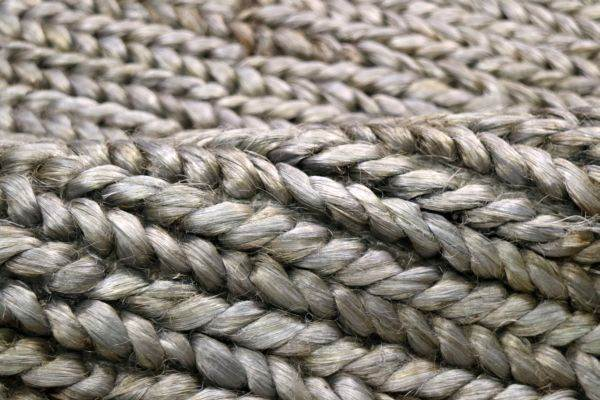
Jute naturally brings variation to a room, so it does not need elaborate patterns to make an impression. Its appeal often comes from the fibres, weave and subtle differences in tone.
Keeping the Natural Look Balanced
A room filled with natural materials can sometimes feel visually heavy if every surface has the same texture. Balance is easier to achieve by mixing materials. Pair jute with smooth ceramics, painted surfaces, glass, cotton or metal to create contrast.
Colour can provide another layer of balance. Warm jute tones work nicely with off-white, olive, terracotta, charcoal and soft blue. The result feels connected to nature without turning the entire room into a rustic setting.
Custom sizing adds another useful design advantage: proportion. A rug that fits the furniture and floor area correctly can make even a modest room feel more organised.
Jute rugs offer plenty of scope beyond the traditional living-room setup. With the right size, shape and placement, they can suit bedrooms, dining areas, hallways, offices and entryways while maintaining a calm, natural character. For rooms that fall between standard measurements or have unusual layouts, custom jute rugs provide the freedom to create a floor covering that fits the space rather than forcing the space to fit the rug.