ByJohn A
Understanding Ivermectin 12mg Dosage and Prescription Guidance
Ivermectin is an antiparasitic medicine used to treat certain infections caused by parasites. Oral ivermectin has established medical uses, including strongyloidiasis and onchocerciasis, while doctors may prescribe it for some other parasitic conditions depending on the patient’s circumstances. The correct amount depends on the infection, body weight, medical history, and treatment plan rather than simply the strength printed on the tablet.
A 12mg tablet should not automatically be considered a standard dose for every patient. Understanding how ivermectin is prescribed can help prevent dosing mistakes and clarify why medical guidance is important. Patients should consult a qualified healthcare professional about the appropriate ivermectin 12mg dosage, as the amount and frequency may vary depending on the condition being treated and individual health factors.
What Does Ivermectin 12mg Mean?
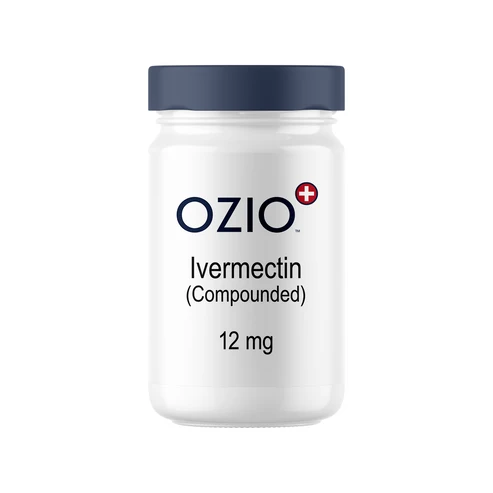
The “12mg” refers to the amount of ivermectin contained in one tablet. It does not mean that 12mg is the appropriate amount for every person or every condition.
For some parasitic infections, ivermectin dosing is calculated according to body weight. The FDA-approved labeling for oral ivermectin describes a dose of approximately 200 micrograms per kilogram for strongyloidiasis and approximately 150 micrograms per kilogram for onchocerciasis.
This distinction matters because two people with the same diagnosis may require different amounts based on their weight and clinical circumstances. A doctor may also choose a different schedule for conditions that are treated outside the primary approved indications.
Conditions Ivermectin May Be Used to Treat
Oral ivermectin is primarily associated with certain parasitic infections. Strongyloidiasis, caused by intestinal roundworms, is one established indication. Onchocerciasis, also known as river blindness, is another. Ivermectin works against the parasites involved in these infections, although its effect differs depending on the parasite and stage of infection.
Doctors may also prescribe ivermectin for certain other parasitic infections or infestations. Uses can vary according to local medical practice, available treatments, and the individual patient’s diagnosis. A prescription should therefore be based on a confirmed or clinically suspected condition rather than symptoms alone.
Ivermectin should not be viewed as a general-purpose treatment for viral illnesses. The FDA has specifically warned against using ivermectin products without appropriate medical direction and against taking veterinary formulations intended for animals.
How Is a 12mg Dose Determined?
The tablet strength is only one part of the prescribing decision. Doctors consider several factors before selecting an ivermectin dose.
Body weight: Some established ivermectin regimens are weight-based. The prescribing information for strongyloidiasis uses approximately 200 micrograms per kilogram, while the onchocerciasis regimen uses approximately 150 micrograms per kilogram.
Diagnosis: Different parasitic conditions can require different dosing schedules. A regimen suitable for one infection should not automatically be applied to another.
Age and body size: Safety and dosing considerations can differ between adults and children. The FDA labeling states that safety and effectiveness have not been established in pediatric patients weighing less than 15kg.
Medical history: Liver problems, immune-system conditions, pregnancy, breastfeeding, and other health factors may affect the decision to prescribe ivermectin. Patients should provide their doctor with a complete medical history before treatment.
How Should Prescribed Ivermectin Be Taken?
For certain approved indications, oral ivermectin is generally taken as a single dose on an empty stomach with water. However, the precise instructions depend on the condition being treated and the prescription provided. Patients should follow the label rather than changing the timing, frequency, or amount themselves.
Some infections may require additional treatment. For example, people receiving ivermectin for onchocerciasis may need further doses at intervals determined by their clinician. Patients treated for strongyloidiasis may also require follow-up testing to determine whether the infection has cleared.
A missed dose should not automatically be replaced with an extra dose. Patients should contact their prescriber or pharmacist for instructions instead of doubling the medication.
Why Prescription Guidance Matters
Ivermectin has a relatively specific therapeutic role, and taking more does not necessarily produce better results. Excessive dosing can increase the risk of adverse effects and toxicity.
Before prescribing, a healthcare professional may ask about prescription medicines, over-the-counter products, vitamins, supplements, allergies, immune-system conditions, pregnancy, or breastfeeding. Drug interactions can affect how ivermectin is used safely.
People who have lived in or travelled to areas where Loa loa infection occurs should also mention this history to their doctor. MedlinePlus warns that patients with loiasis can experience serious reactions after ivermectin treatment.
Possible Side Effects
Ivermectin can cause side effects, although not everyone experiences them. Reported effects include dizziness, nausea, vomiting, diarrhea, stomach discomfort, weakness, and loss of appetite.
More serious reactions require prompt medical attention. These can include severe skin reactions, confusion, marked drowsiness, seizures, or loss of consciousness. People receiving treatment for onchocerciasis may experience additional reactions related to the death of the parasites, including fever, joint symptoms, swollen glands, and eye-related problems.
An unusually severe reaction after taking ivermectin should be treated as a medical concern rather than managed by taking another medication without professional advice.
Pregnancy, Breastfeeding, and Other Precautions
Pregnancy deserves particular attention. The FDA labeling states that adequate controlled studies in pregnant women are lacking and that ivermectin should not be used during pregnancy because safety has not been established.
Ivermectin is also present in human milk in low concentrations. Treatment during breastfeeding requires a medical assessment of the potential benefits and risks.
People with weakened immune systems may require closer follow-up. In some immunocompromised patients with strongyloidiasis, repeated treatment courses may be necessary, according to the prescribing information.
Buying and Handling Ivermectin Responsibly
Prescription medicines should come from legitimate pharmacies and authorized sources. Patients should check the medicine name, strength, packaging, expiry date, and dispensing instructions before taking a tablet.
A product described as ivermectin 12mg should not be assumed to be appropriate simply because the strength matches a previous prescription. Different manufacturers and formulations may have different labeling, and a medicine obtained without proper medical oversight may carry risks related to authenticity, storage, or incorrect use.
Veterinary ivermectin should never be substituted for human medication. The FDA has warned that animal formulations have not been evaluated for human safety and can cause serious harm when used by people.
Making Sense of a 12mg Prescription
A 12mg ivermectin tablet is a pharmaceutical strength, not a universal treatment instruction. The appropriate regimen depends on the diagnosed condition, body weight, age, medical history, other medicines, and the prescriber’s clinical judgment.
Patients should use ivermectin exactly as prescribed and avoid adjusting the dose based on information from another person’s prescription or an online dosing chart. A pharmacist or doctor can clarify how many tablets to take, when to take them, whether food should be avoided, and whether follow-up testing is needed.
Used under appropriate medical supervision, ivermectin can be an effective medicine for specific parasitic infections. Careful prescribing and accurate dosing are central to getting the intended treatment benefit while reducing avoidable risks.