ByJohn A
Used Bahama 41 for Sale: Understanding Maintenance and Ownership Costs
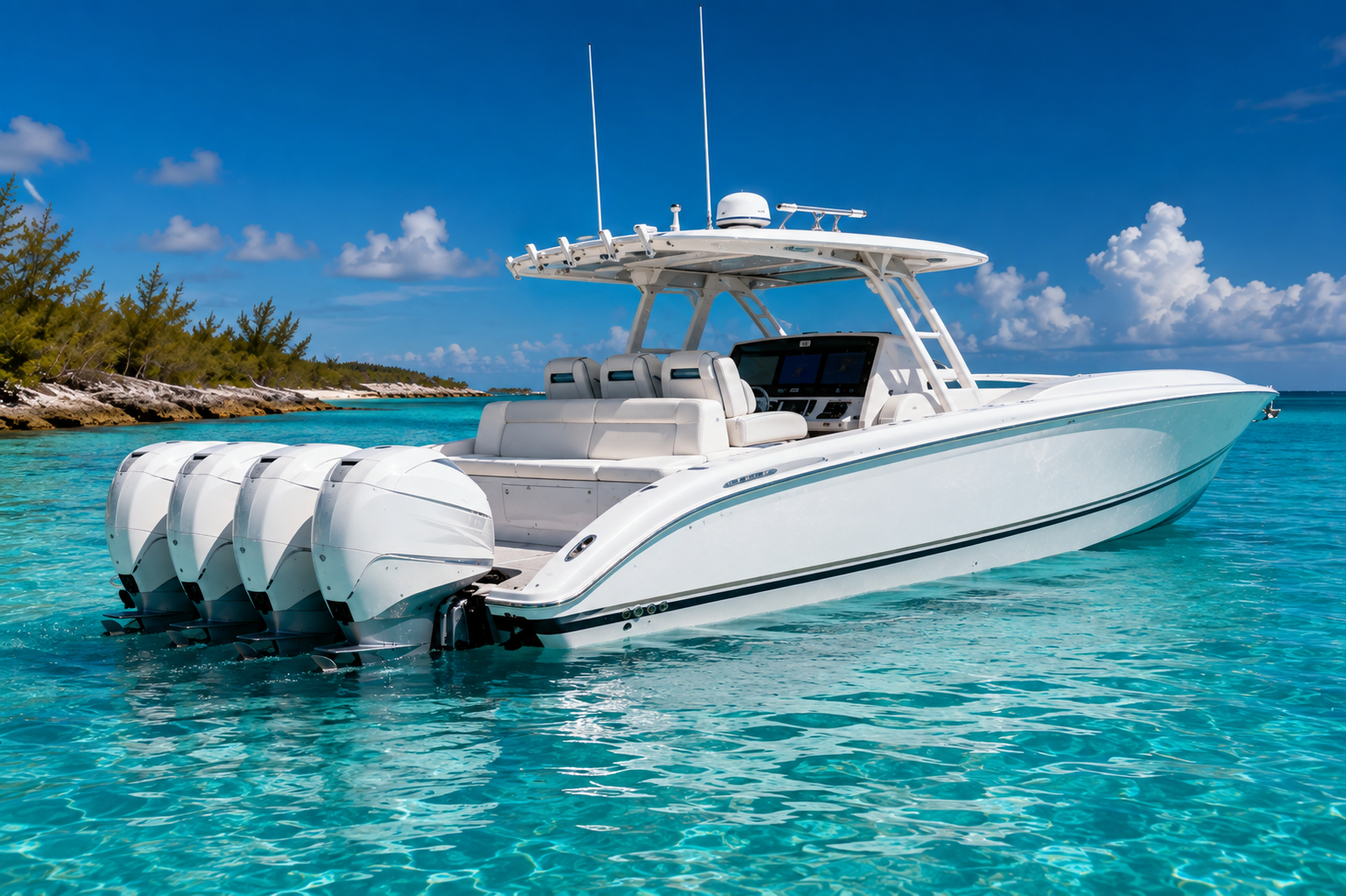
A used Bahama 41 can offer the appeal of a larger sportfishing boat without the price of a brand-new vessel. Its size, layout, offshore capability, and fishing-focused design make it an attractive choice for experienced boat owners. But the purchase price tells only part of the financial story. Maintenance, fuel, insurance, storage, repairs, and routine upgrades can have a major effect on the cost of ownership.
Anyone looking for a Used Bahama 41 for Sale should consider its maintenance history and overall condition as important factors for long-term value and reliable ownership.
Start With the Boat’s Maintenance History
The condition of an individual Bahama 41 matters more than its age alone. Two boats from the same production period can have very different ownership histories.
Ask for maintenance records covering engines, generators, pumps, electrical systems, air conditioning, navigation equipment, batteries, steering components, and other major systems. Receipts from qualified marine technicians can provide useful evidence that scheduled work was actually completed.
Look for consistent servicing rather than a history of repairs performed only after something failed. Regular oil changes, cooling-system maintenance, filter replacement, belt inspections, and fluid checks can help reveal how carefully a Used Bahama 41 for Sale has been maintained, giving buyers greater confidence in the vessel’s condition and long-term reliability.
A survey should also be arranged before purchase. The surveyor can identify structural concerns, moisture intrusion, worn hardware, corrosion, electrical faults, and other problems that may not be obvious during a casual inspection.
Engine Condition Can Shape the Budget
The engines are among the most expensive components on a Bahama 41, so their condition deserves particular attention. A boat with clean service records and healthy engine performance may be a better purchase than a cheaper boat requiring major mechanical work.
An engine inspection can include oil analysis, cooling-system checks, diagnostic scans where applicable, compression testing, and examination of hoses, belts, mounts, exhaust components, and fuel systems.
Engine hours also deserve context. Higher hours do not automatically make a boat a poor purchase. An engine that has received consistent professional maintenance may be preferable to a lower-hour engine that has been neglected.
Before making an offer, obtain estimates for any identified mechanical work. A small issue found during a survey may be manageable, while major engine or transmission repairs can significantly alter the financial calculation.
Fuel Is a Major Running Expense
A 41-foot sportfishing boat can consume considerable fuel, particularly during long offshore trips or extended periods of high-speed cruising. Fuel costs therefore need to be included in the ownership budget rather than treated as an occasional expense.
Your expected usage makes a substantial difference. Someone taking short local trips several times a month will have a different fuel budget from an owner planning regular offshore fishing excursions.
Keep a record of fuel consumption during the first few months of ownership. This provides a realistic picture of operating costs based on your actual cruising habits rather than estimates alone.
Routine Maintenance Adds Up
Marine maintenance involves many smaller expenses that are easy to overlook when calculating ownership costs.
Typical recurring work can include:
- Engine and generator servicing
- Oil and filter changes
- Battery inspection and replacement
- Bilge pump maintenance
- Air-conditioning service
- Plumbing repairs
- Fuel-system maintenance
- Electrical troubleshooting
- Propeller and running-gear inspection
- Bottom cleaning
- Hull and exterior detailing
- Replacement of hoses, belts, seals, and fittings
Saltwater environments can accelerate corrosion and wear. Hardware, electrical connections, pumps, fittings, and exposed mechanical components deserve regular inspection, particularly on a boat used frequently offshore.
Electronics and Equipment May Need Updating
A used Bahama 41 may come with navigation and fishing electronics that were considered advanced when originally installed but are now outdated.
Chartplotters, radar, sonar, autopilot systems, VHF radios, fish finders, satellite communications, and other equipment can be expensive to replace. Some owners may prefer to keep functioning older equipment, while others will want modern systems immediately after purchase.
The same applies to fishing equipment. Outriggers, fighting chairs, bait systems, refrigeration, freezers, rod holders, and other accessories should be inspected for wear and functionality.
Create a separate allowance for equipment upgrades rather than assuming every included item will remain in service indefinitely.
Storage and Dockage Matter
Where the boat is kept can strongly influence annual ownership costs. Marina slip fees vary widely by location, boat size, amenities, and availability. Dry storage may be another option depending on the vessel and local facilities.
Owners should also consider haul-out and bottom-painting expenses. A haul-out may be needed for scheduled maintenance, inspections, repairs, or work on underwater components.
If the boat will spend significant time in the water, routine cleaning and underwater maintenance become recurring expenses. These costs can be modest individually but substantial over several years.
Insurance and Registration
Insurance premiums depend on factors such as the vessel’s value, age, location, intended use, cruising area, owner experience, and coverage selected. Sportfishing boats intended for offshore use may have different insurance requirements from boats used primarily in protected waters.
Before purchasing, obtain an insurance quote based on the specific vessel. A pre-purchase survey may also be required by the insurer, particularly for an older boat.
Registration, documentation, safety equipment, and other local requirements should also be included in the ownership budget.
Budget for Unexpected Repairs
Even a carefully maintained used boat can develop unexpected problems. Pumps fail, electronics stop working, hoses deteriorate, batteries reach the end of their service life, and electrical faults can appear without much warning.
A repair reserve gives the owner room to deal with these issues without putting routine maintenance on hold. The reserve does not need to be spent every year, but having funds available can make ownership considerably less stressful.
During the purchase process, distinguish between immediate repairs and future maintenance. A boat that needs several small jobs may still represent good value if the asking price reflects its condition.
A Pre-Purchase Survey Can Save Money
A marine survey is one of the most useful steps before buying a used Bahama 41. The survey should cover the vessel’s structural condition and major systems, while specialized mechanical inspections can provide additional information about the engines and generator.
Pay attention to moisture readings, stringers, bulkheads, hull condition, through-hulls, seacocks, fuel systems, electrical installations, and evidence of previous repairs.
The survey is not simply a formality for an insurance company or lender. It can give the buyer a clearer picture of immediate expenses and help establish a realistic offer.
Calculate the Five-Year Cost, Not Just the Purchase Price
A sensible buying decision starts with a five-year ownership estimate. Add the purchase price to expected maintenance, fuel, insurance, storage, routine servicing, repairs, and planned upgrades.
For example, a boat priced attractively may become expensive if it needs engines serviced, electronics replaced, batteries renewed, and significant cosmetic work shortly after purchase. Another boat with a higher asking price may have stronger maintenance records and recently completed major work.
The better value is not always the boat with the lowest advertised price. It is the vessel whose condition, service history, equipment, and expected future expenses match your budget.
Choosing the Right Used Bahama 41
A used Bahama 41 can be a rewarding ownership proposition for someone prepared to maintain a large offshore boat properly. The smartest purchase starts with detailed records, a professional survey, mechanical inspections, and realistic operating-cost estimates.
Before committing to a particular Used Bahama 41 for Sale, examine what has already been spent on the vessel and what may need attention next. A clear understanding of maintenance and ownership costs makes it easier to compare boats fairly and avoid unpleasant financial surprises after the purchase.