ByJohn A
How Power Plant Consultancy Supports Reliable Plant Operations and Maintenance
Power generation facilities depend on equipment that must operate safely, efficiently, and consistently. Boilers, turbines, generators, transformers, cooling systems, pumps, control systems, and auxiliary equipment all require careful planning and regular attention. A failure in one area can affect production, increase operating costs, or create safety concerns.
This is why many plant operators work with specialists who can assess equipment, maintenance practices, operational procedures, and long-term plant requirements. Power plant consultancy provides technical guidance that can help organizations identify weaknesses, plan maintenance activities, improve equipment performance, and make better decisions about plant assets.
What Does Power Plant Consultancy Cover?
A consultancy service for a power generation facility can cover several technical and operational areas. The exact scope depends on the type of plant, equipment condition, operating history, and business requirements.
Consultants may review plant equipment, maintenance records, operating procedures, energy performance, safety practices, and existing service contracts. They can also assess recurring equipment problems and determine whether the underlying issue is related to design, operation, maintenance, or component quality.
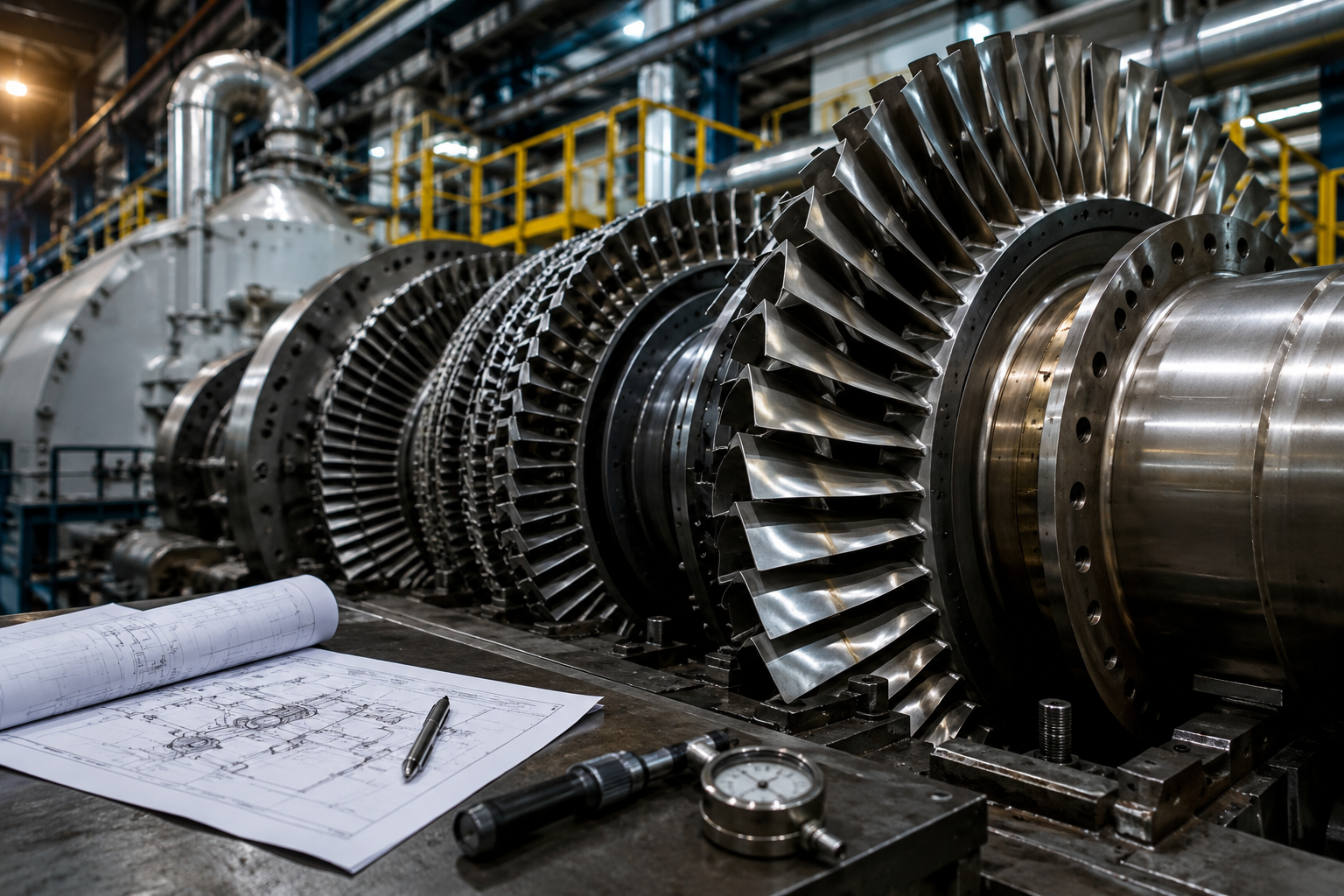
A technical assessment may include inspections of rotating machinery, electrical systems, mechanical equipment, instrumentation, and control systems. The findings can then be used to establish priorities for corrective work.
Consultants may also support project planning. This can include equipment upgrades, refurbishment programs, plant modifications, shutdown planning, and replacement strategies for aging components.
Why Equipment Assessment Matters
Equipment problems rarely begin as major failures. Small changes in vibration, temperature, pressure, lubrication quality, electrical readings, or operating efficiency can provide early indications of developing faults.
Regular technical assessments help plant teams identify these changes before they develop into expensive breakdowns. For example, abnormal vibration in rotating equipment may indicate bearing wear, shaft misalignment, imbalance, or another mechanical issue.
A consultancy team can review inspection results and maintenance history to determine which issues deserve immediate attention and which can be monitored during scheduled maintenance.
This type of assessment also helps operators make decisions based on equipment condition rather than relying only on fixed replacement intervals. Components that remain in good condition may not require premature replacement, while deteriorating equipment can receive attention before failure occurs.
Connecting Consultancy With Field Service Work
Technical recommendations have limited value if identified problems are not addressed properly. This creates a close relationship between engineering advice and practical maintenance activities.
Field service solutions can include inspection, troubleshooting, repair, commissioning, testing, equipment alignment, component replacement, and technical support at the plant site. These services allow maintenance teams to act on findings identified during technical assessments.
The connection between assessment and field work can also improve communication. A plant operator can have technical findings documented clearly, followed by defined maintenance actions and inspection requirements.
For complex equipment, field technicians may work alongside plant engineers to investigate recurring faults. Their observations can provide additional information that helps refine future maintenance plans.
Selecting the Right Service Partner
Plant operators often work with field service companies for specialized equipment support. Choosing an appropriate provider requires more than comparing service prices.
Experience with similar equipment and power generation environments is particularly useful. A service provider should understand the operating conditions, maintenance requirements, safety procedures, and technical standards associated with the equipment being serviced.
The availability of qualified technicians is another consideration. Some maintenance activities require specialist knowledge of turbines, generators, boilers, electrical systems, instrumentation, or control equipment.
Documentation should also form part of the evaluation. Inspection reports, test results, repair records, photographs, measurements, and recommendations provide useful references for future maintenance decisions.
A capable service partner should also communicate clearly about the condition of equipment and the work required. Clear reporting makes it easier for plant management to approve repairs, schedule outages, and allocate maintenance budgets.
Building a Practical Maintenance Program
A maintenance program should reflect the actual condition and operating requirements of plant equipment. Plant maintenance services may include preventive maintenance, corrective maintenance, inspections, testing, lubrication, equipment overhauls, electrical work, instrumentation checks, and condition monitoring.
Preventive maintenance is generally scheduled at defined intervals. It can help reduce deterioration caused by normal operation. Corrective maintenance addresses identified defects or failures.
Condition-based maintenance adds another layer by using measurements and inspections to determine equipment condition. Vibration analysis, thermography, oil analysis, electrical testing, and performance monitoring can provide useful information about developing problems.
A maintenance program can also classify equipment according to its effect on plant operation. Critical assets may require more frequent inspections and stronger contingency planning than equipment with limited operational impact.
Planning Power Plant Maintenance
Large maintenance activities require careful coordination because equipment may need to be taken offline. A planned outage can involve inspection, dismantling, cleaning, component replacement, testing, reassembly, and commissioning.
Power plant maintenance planning should therefore begin well before the scheduled shutdown. Plant teams need to identify required materials, specialist personnel, tools, permits, inspection procedures, and testing requirements.
A detailed work scope helps reduce delays during the outage. It can also identify tasks that can be performed simultaneously and activities that depend on the completion of other work.
Spare parts planning is another major consideration. Critical components that have long procurement periods should be identified early. Keeping appropriate spares available can reduce the risk of an extended outage following an unexpected failure.
Using Maintenance Data for Better Decisions
Maintenance records contain valuable information about plant performance. Repeated failures, frequent component replacements, rising repair costs, and recurring alarms can reveal patterns that may not be obvious during routine operations.
Consultants can review historical data to identify these patterns and recommend changes. For example, repeated bearing failures could lead to an investigation of lubrication practices, alignment procedures, operating loads, or component selection.
Data can also help management compare maintenance costs against equipment performance. This supports decisions about refurbishment, replacement, upgrades, or continued operation.
The Role of Consultancy in Long-Term Planning
Technical consultancy is not limited to solving immediate equipment problems. It can also support longer-term asset planning.
A plant may contain equipment installed many years earlier, with replacement parts becoming harder to obtain. Older control systems may have limited support, while aging mechanical components may require increasingly frequent repairs.
Power plant consultancy can help operators assess these risks and develop an asset management plan. The plan may recommend phased upgrades, equipment replacement, modernization of control systems, or changes to maintenance practices.
Long-term planning gives plant owners more time to evaluate costs and schedule major work during suitable maintenance windows. It can also reduce the likelihood of making expensive decisions under emergency conditions.
See also: Why Should You Hire Bus Accident Lawyers After a Serious Collision?
A Practical Link Between Engineering and Operations
Effective plant management requires cooperation between engineering teams, maintenance personnel, operations staff, and external specialists. Each group has information that can contribute to better equipment decisions.
Consultancy provides an independent technical perspective, while plant personnel contribute knowledge of operating conditions and equipment history. Field technicians add practical experience from inspections and repairs.
When these sources of information are brought together, maintenance planning can become more structured and easier to justify. The result is a clearer understanding of equipment condition, maintenance priorities, operational risks, and future plant requirements.