ByJohn A
How Furniture Steam Cleaning Services Help Protect Upholstery and Extend Its Life
Furniture collects more than visible dust. Fabric sofas, dining chairs, recliners, ottomans, and upholstered headboards can hold dirt, food particles, body oils, pet hair, and everyday stains deep within their fibers. Regular vacuuming removes loose debris, but it cannot always reach the buildup trapped below the surface. This is one reason many homeowners and businesses consider furniture steam cleaning services as part of their upholstery care routine.
Professional cleaning can also be useful for furniture that looks reasonably clean but has developed dull fabric, lingering odors, or areas that feel different from the rest of the upholstery. The right cleaning method depends on the fabric type, construction, level of soiling, and manufacturer’s care instructions.
What Happens During Furniture Steam Cleaning?
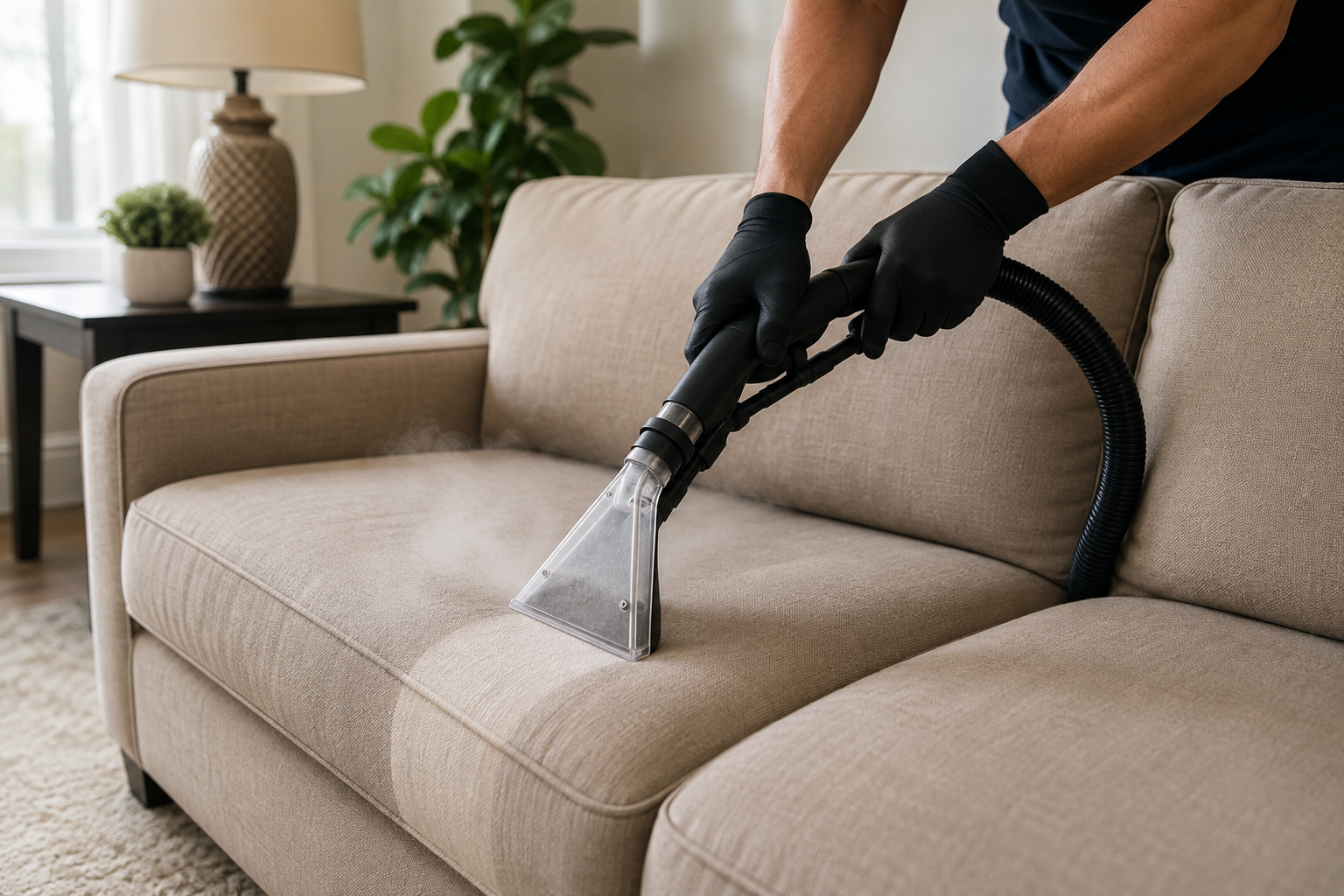
Steam cleaning uses heated water and a cleaning solution to loosen dirt from upholstery fibers. Specialized equipment then extracts much of the moisture along with the loosened soil.
A typical service may begin with an inspection of the furniture. The technician checks the fabric, identifies stains, looks for signs of wear, and determines whether the material is suitable for water-based cleaning. This step matters because not every upholstery fabric should be treated with the same amount of moisture or heat.
The furniture may then be vacuumed to remove loose particles. Stains can receive targeted treatment before the main cleaning process. After the fabric is cleaned, extraction equipment removes moisture and suspended dirt.
Drying time varies according to fabric, room temperature, ventilation, and the amount of moisture used.
Why Upholstered Furniture Needs More Than Routine Vacuuming
Vacuuming is useful for everyday maintenance, especially on high-use furniture. It removes crumbs, dust, hair, and other loose material before it becomes embedded.
It does not, however, remove every substance that accumulates inside upholstery. Oils from skin can gradually change the appearance of frequently used areas. Spilled drinks and food can leave residues that attract additional dirt. Pet-related messes may also penetrate beyond the visible surface.
A deeper cleaning service addresses this type of buildup more effectively than routine surface cleaning. It can also help restore a more consistent appearance between heavily used and lightly used areas.
Furniture Fabrics Require Different Cleaning Methods
A major advantage of professional cleaning is the ability to match the process to the material. Cotton, linen, polyester, microfiber, velvet, and blended fabrics can react differently to heat and moisture.
Some upholstery materials tolerate water-based extraction well, while others may require a lower-moisture process. Delicate fabrics can be affected by excessive agitation, high heat, or prolonged moisture exposure.
Before cleaning, technicians should check the manufacturer’s cleaning code when one is available. Furniture labels commonly provide guidance about whether water-based, solvent-based, or other cleaning methods are appropriate.
Skipping this inspection can lead to problems such as color bleeding, shrinkage, texture changes, or water marks.
How Upholstery Cleaning Services Differ From Basic Furniture Care
Basic furniture care usually involves vacuuming, spot treatment, dusting, and following the manufacturer’s maintenance recommendations. These tasks are valuable for preventing heavy buildup.
Upholstery cleaning services generally involve specialized equipment and a deeper cleaning process designed to remove embedded soil. Depending on the provider, services may include stain treatment, deodorizing, fabric protection, and specialized cleaning for particular materials.
Professional cleaning does not replace regular maintenance. Instead, the two work together. Frequent vacuuming and prompt attention to spills can reduce the amount of dirt that accumulates between professional appointments.
Signs Your Furniture May Need Professional Cleaning
Furniture does not always need cleaning simply because it has reached a particular age. Visible and practical signs can provide better guidance.
Common indicators include:
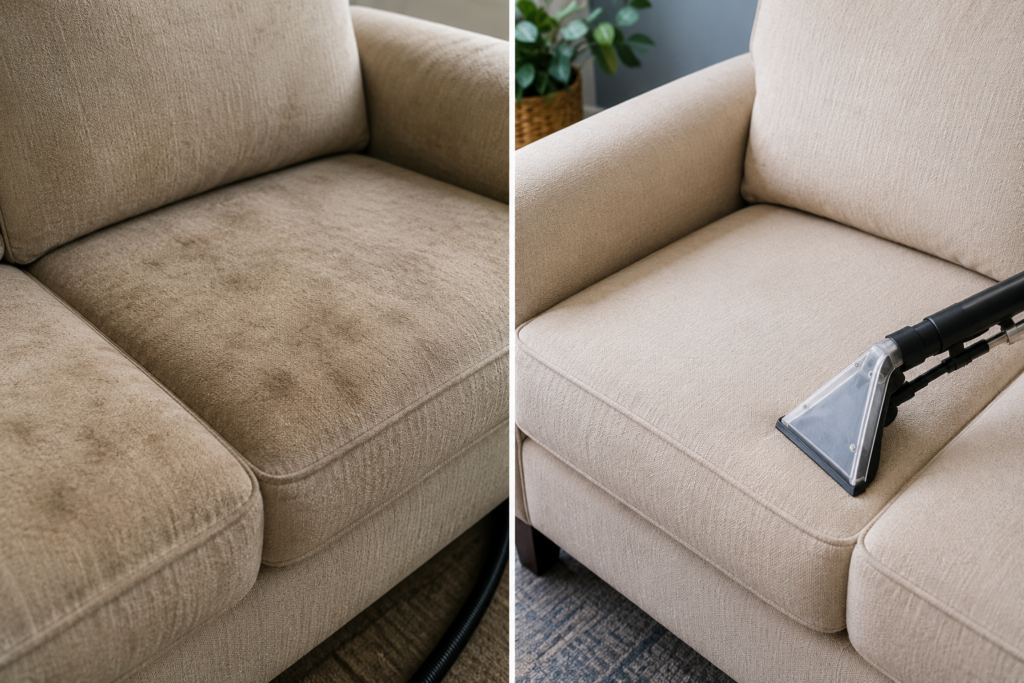
- Darkened or flattened areas on frequently used seats
- Persistent odors
- Food or beverage stains
- Pet-related stains or odors
- Dust that returns quickly after vacuuming
- Fabric that looks noticeably dull
- Greasy or sticky areas
- Furniture that has not received a deep cleaning for an extended period
Large pieces such as sectional sofas may also develop uneven coloring because certain seats receive considerably more use than others.
Finding Upholstery Cleaning Services Near Me
Searching for upholstery cleaning services near me can produce many local options, but proximity alone should not determine the choice.
Check whether the provider has experience with the specific type of furniture you need cleaned. Ask about the cleaning method, drying expectations, stain treatment, and whether fabric testing is performed before the service.
It is also useful to review recent customer feedback and ask for a clear estimate before work begins. A reputable provider should be able to explain what is included rather than giving a vague description of the service.
For valuable, antique, delicate, or designer furniture, ask specifically about experience with that material before scheduling an appointment.
What Professional Upholstery Cleaners Should Check Before Cleaning
Experienced professional upholstery cleaners do more than apply cleaning equipment to the fabric. They should first examine the furniture and identify potential risks.
The inspection may cover:
- Fabric condition: Worn or weakened areas may need gentler treatment.
- Cleaning code: Manufacturer guidance helps determine the appropriate method.
- Stain type: Different spills can require different treatments.
- Color stability: A small test area can reveal whether dye may bleed or transfer.
- Furniture construction: Excess moisture can be problematic for certain materials and internal components.
- Existing damage: Tears, loose seams, or weakened fabric should be identified before cleaning.
These checks help reduce avoidable damage and allow the cleaning process to be adjusted to the furniture.
Where Upholstery Steam Cleaning Services Fit Into Furniture Maintenance
Upholstery steam cleaning services can be particularly useful for sofas, armchairs, dining chairs, fabric benches, and other pieces that receive regular use.
A cleaning schedule should depend on factors such as household traffic, pets, children, allergies, smoking, and how often the furniture is used. A lightly used occasional chair may need far less frequent professional attention than the main family sofa.
Cleaning too aggressively or too frequently can also be unnecessary. Upholstery should be maintained according to its material, condition, and manufacturer’s recommendations.
How to Prepare Furniture Before a Cleaning Appointment
A little preparation can make the service easier. Remove loose objects, cushions that are not fixed to the furniture, blankets, toys, and decorative items from the area.
Vacuuming the surrounding floor can also prevent loose debris from being disturbed during cleaning. If there is a recent spill, tell the technician what caused it and approximately when it happened. Avoid applying several household stain removers beforehand, since chemical residues can interfere with professional cleaning products.
After cleaning, provide good ventilation where possible. Keeping freshly cleaned furniture in a well-ventilated room can help moisture evaporate more quickly.
Keeping Upholstery Cleaner Between Professional Visits
Professional cleaning works best alongside simple daily and weekly habits. Vacuum upholstered furniture regularly, especially around seams, cushions, and other areas where dust collects.
Deal with spills promptly by blotting rather than aggressively rubbing the fabric. Follow the manufacturer’s care instructions and avoid experimenting with strong household chemicals on delicate upholstery.
Rotating removable cushions, where the furniture design allows it, can also distribute wear more evenly.
A practical maintenance routine protects the appearance of furniture while reducing the amount of heavy soil that needs to be removed during deeper cleaning.
See also: 15 KVA Single Phase Transformer: Specifications, Uses, and Buying Factors
Choosing the Right Cleaning Service
The cheapest quote is not always the most suitable option. Look for a provider that explains its cleaning process, checks fabric suitability, identifies potential risks, and provides realistic expectations about stains and drying time.
Ask whether the quoted price covers the entire piece, stain treatment, additional charges, and any protective treatment. Clear communication before the appointment can prevent misunderstandings later.
Furniture is a significant household investment, and proper upholstery care can help maintain its appearance and comfort for years. Professional cleaning, combined with regular vacuuming and careful spill management, provides a practical way to keep frequently used upholstered pieces in better condition.