ByJohn A
15 KVA Single Phase Transformer: Specifications, Uses, and Buying Factors
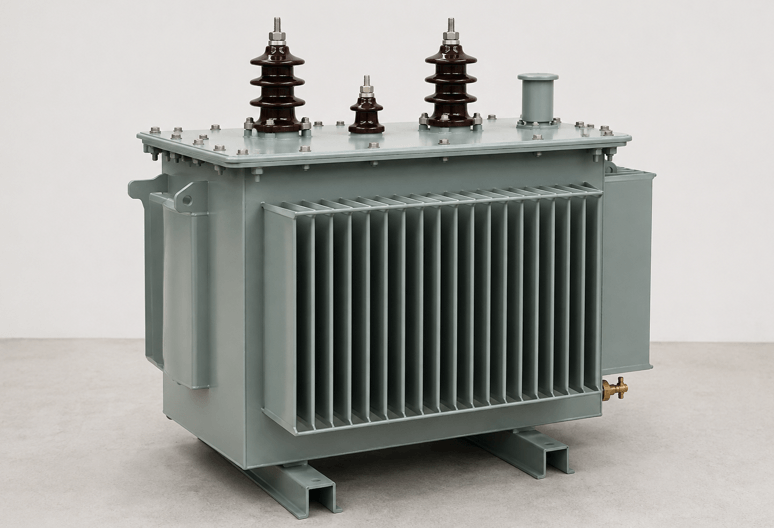
A transformer rated at 15 KVA is designed to handle electrical loads up to 15 kilovolt-amperes under its specified operating conditions. For smaller commercial buildings, workshops, agricultural facilities, control systems, and residential applications with higher electrical demands, transformer capacity is an important part of electrical planning.
A 15 kva single phase transformer converts electrical energy from one voltage level to another while maintaining the same frequency. The correct transformer depends on factors such as input voltage, required output voltage, load type, installation conditions, efficiency, and safety requirements.
What Does 15 KVA Mean?
KVA stands for kilovolt-amperes and represents the apparent power rating of a transformer. A 15 KVA transformer can supply a maximum apparent power of 15,000 VA under its rated conditions.
The KVA rating differs from a transformer’s actual wattage output because electrical loads may have a power factor below 1. For example, motors and other inductive equipment can require more apparent power than their real power consumption suggests.
A 15 KVA rating therefore should not be treated as a simple wattage figure. The connected equipment, power factor, starting current, and expected operating load should all be considered before selecting a transformer.
How a Single-Phase Transformer Works
A single-phase transformer normally contains two electrically isolated windings positioned around a magnetic core. The primary winding receives electrical energy at the incoming voltage, while the secondary winding supplies the transformed voltage to the connected equipment.
Alternating current creates a changing magnetic field in the core. This magnetic field induces voltage in the secondary winding. The relationship between the number of turns in the primary and secondary windings determines whether the transformer increases or decreases voltage.
For example, a transformer may be configured to reduce a higher supply voltage to a lower voltage required by machinery or electrical equipment. The exact primary and secondary voltages vary according to the installation.
Common Applications
A 15kva transformer 1 phase configuration can suit equipment and electrical systems that operate from a single-phase supply and require a moderate amount of power.
Typical applications include:
- Small workshops
- Agricultural equipment
- Residential electrical systems
- Lighting installations
- Control panels
- HVAC equipment
- Pumps and motors
- Commercial equipment
- Industrial control circuits
- Remote electrical installations
The application should be assessed before choosing a transformer. Equipment with motors, compressors, pumps, or other loads with significant starting currents may require additional capacity to prevent excessive voltage drops during startup.
Important Specifications to Check
Transformer specifications provide the information needed to determine compatibility with an electrical installation. Several ratings deserve particular attention.
Primary Voltage
The primary voltage must match the available electrical supply. Installing a transformer with an unsuitable input voltage can result in improper operation and potentially serious electrical hazards.
Secondary Voltage
The secondary voltage must correspond with the requirements of the equipment being powered. Common voltage requirements vary considerably between applications, so the required output should be confirmed before purchasing.
Frequency
Frequency is another basic specification. Transformers are designed for particular electrical frequencies, such as 50 Hz or 60 Hz. The transformer should be suitable for the frequency of the electrical system.
Insulation and Temperature Rating
Insulation materials determine how well the windings withstand electrical and thermal stresses. Temperature ratings also indicate the operating conditions the transformer is designed to handle.
Enclosure and Installation Type
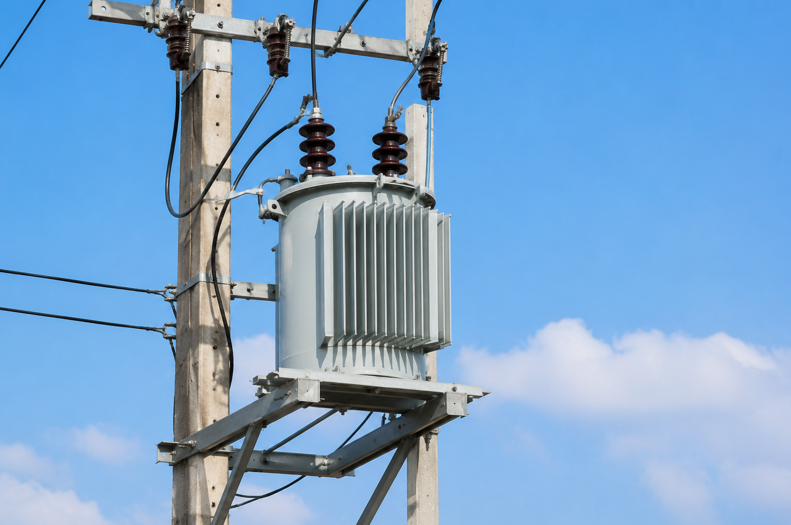
Some transformers are designed for indoor installation, while others can be suitable for outdoor environments when installed with an appropriate enclosure and protection. Space, ventilation, moisture, dust, and ambient temperature should be considered.
Choosing the Right Transformer Capacity
A transformer should not normally be selected simply by matching its rating to the estimated running load. Electrical equipment can have different operating characteristics, and some devices draw considerably more current during startup.
For a system expected to operate close to 15 KVA continuously, a larger transformer may be appropriate depending on the load profile and manufacturer recommendations. Leaving reasonable capacity available can also help accommodate future equipment.
At the same time, selecting an unnecessarily large transformer can increase purchase costs and may affect operating efficiency. The best rating is based on the actual electrical requirements rather than an arbitrary safety margin.
Understanding the 15kva Transformer 1 Phase Configuration
The 15kva transformer 1 phase arrangement is intended for electrical systems using single-phase power. It differs from three-phase transformer configurations, which are generally selected for systems where the supply and connected equipment require three-phase power.
Before selecting a single-phase unit, check the available supply and the electrical characteristics of the equipment. A qualified electrician or electrical engineer can determine whether a single-phase transformer is suitable for the intended installation.
The transformer’s connection arrangement should also be checked carefully. Primary and secondary terminals, grounding requirements, protection devices, and voltage ratios must correspond with the installation design.
Factors Affecting Transformer Efficiency
Transformer efficiency is influenced by several operating conditions. Copper losses occur because current passes through the resistance of the windings, while core losses occur within the magnetic material.
Operating temperature can also affect performance. Excessive heat may shorten insulation life and reduce equipment reliability. Adequate ventilation and installation according to the manufacturer’s instructions help maintain suitable operating temperatures.
Load level matters as well. A transformer operating significantly above its rated capacity can experience excessive heating and voltage regulation problems. Regularly operating within its specified limits helps support reliable service.
Checking the 15 KVA Single Phase Transformer Price
The 15 kva single phase transformer price can vary considerably because transformers are manufactured with different voltage ratings, construction methods, insulation systems, enclosures, efficiency levels, and protection features.
The purchase price should therefore be evaluated alongside the transformer’s specifications and intended application. A lower initial cost may not represent better value if the unit does not match the required voltage, environmental conditions, or load characteristics.
Shipping, installation, electrical protection, testing, and maintenance may also contribute to the overall project cost. Comparing complete specifications rather than looking at the price alone provides a more useful basis for selection.
Installation and Safety Considerations
Transformer installation involves potentially hazardous electrical voltages and should be completed by appropriately qualified electrical professionals. The installation area should provide sufficient clearance, ventilation, and protection from conditions that could damage the equipment.
Suitable circuit protection should be included according to the electrical design. Grounding and bonding must also comply with the applicable electrical standards and installation requirements.
Before energising the transformer, the connections, voltage ratings, insulation condition, and protective devices should be checked. Periodic inspections can help identify loose connections, unusual noise, overheating, damaged insulation, or other signs of trouble.
Questions to Ask Before Buying
A few practical questions can prevent compatibility problems:
- What is the incoming supply voltage?
- What secondary voltage is required?
- Is the electrical system single-phase?
- What is the expected continuous load?
- Are motors or other high-starting-current equipment connected?
- Will the transformer be installed indoors or outdoors?
- What frequency does the electrical supply use?
- What protection and grounding arrangements are required?
- Is additional capacity needed for future equipment?
Having these details available makes it easier to compare suitable transformer models and obtain accurate technical and pricing information.
See also: Why Should You Hire Bus Accident Lawyers After a Serious Collision?
Final Considerations
Selecting a 15 kva single phase transformer requires more than checking the KVA rating. Primary and secondary voltage, frequency, load characteristics, installation environment, insulation, cooling, and electrical protection all affect suitability.
A properly selected transformer can provide the required voltage conversion while supporting dependable operation of connected equipment. Reviewing the electrical load carefully and confirming the specifications with a qualified professional can help avoid capacity issues, compatibility problems, and unnecessary expenditure.