ByJohn A
3 Benefits Of Having Dental Procedures Done In Veterinary Clinics
You notice the bad breath first, then the dropped kibble, the chewing on one side, the way your pet pulls back when you touch the mouth. It is easy to hope it is nothing serious, because dental problems in animals often build slowly and quietly, which is why seeing a veterinarian in South Houston, TX can make a difference. By the time the signs are obvious, your dog or cat may already be living with daily pain.
That is why many pet owners end up weighing the same choice. Should you keep trying home care alone, or is it time to schedule treatment at a veterinary clinic? When dental work is done in a clinical setting, your pet gets more than cleaner teeth. You get a trained medical team, proper pain control, and a better chance of catching deeper problems before they spread.
3 benefits of having dental procedures done in veterinary clinics come down to safety, accuracy, and lasting health. Professional treatment can address disease below the gumline, reduce the risk of infection affecting other organs, and make eating and daily life easier for your pet again.
Veterinary dental care reaches the pain you cannot see at home
Most dental disease in pets is hidden below the gumline. A tooth can look fine on the surface and still be loose, infected, or painful at the root. Brushing at home helps, and it matters, but it cannot remove hardened tartar under the gums or diagnose damage in the jaw and tooth roots.
This is where pet dental procedures in a clinic make a real difference. A veterinary team can perform a full oral exam, take dental radiographs when needed, and clean areas that are impossible to reach safely at home. According to Texas A&M’s guidance on why pet dental care is important, dental disease can cause pain and can also affect a pet’s overall health when bacteria and inflammation are left untreated.
You might think your pet is doing fine because they are still eating. Animals often keep eating even when the mouth hurts. They adapt. They chew less, swallow larger pieces, avoid hard food, or stop playing with toys they once loved. That quiet adjustment is easy to miss until the problem becomes advanced.
Professional dental treatment in a veterinary clinic improves safety and diagnosis
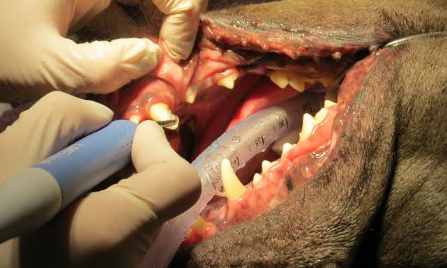
Dental care in animals is not the same as a cosmetic cleaning. It is a medical procedure. The mouth has to be examined fully, and that often requires anesthesia so the pet stays still, feels no pain, and can be treated without fear or struggle. That level of control protects both your pet and the care team.
At a veterinary clinic, safety starts before the procedure. Your pet can be evaluated for age, breed, current illness, and anesthesia risk. During treatment, trained staff monitor breathing, heart rate, blood pressure, and oxygen levels. If a tooth needs extraction or the gums show signs of advanced disease, the team can act right away instead of sending you somewhere else after the problem gets worse.
This matters because dental disease rarely stays limited to what you can see. Cornell’s dentistry and oral surgery service explains that veterinary dentistry and oral surgery can address fractured teeth, oral masses, gum disease, and other painful conditions that need more than a surface cleaning.
That kind of thorough care also protects you from false reassurance. A quick brush, a chew, or a nonmedical cleaning may leave teeth looking better while infection continues underneath. Clean does not always mean healthy.
Dental procedures done by veterinarians support long term whole body health
Oral disease does not stay neatly in the mouth. Chronic inflammation and bacteria can affect other systems over time, especially in older pets or those with existing health issues. Rowan University’s report on pet dental health and veterinary dentistry points to the growing recognition that oral care plays a central role in a pet’s wider health and comfort.
Animal dental treatment in a clinic can lower the burden of infection, ease chronic pain, and improve appetite, sleep, mood, and energy. Owners often expect cleaner teeth after treatment. What surprises them is the change in behavior. A pet that seemed older, quieter, or picky with food may simply have been coping with a painful mouth.
That is one of the biggest benefits of using a veterinary clinic for dental work. You are not only reacting to bad breath. You are protecting quality of life.
Home care and clinic care serve different purposes
| Approach | What It Helps With | What It Cannot Do |
|---|---|---|
| Tooth brushing at home | Reduces plaque buildup, supports gum health, helps maintain results after treatment | Cannot remove tartar under the gumline, cannot diagnose root disease or fractures |
| Dental chews and rinses | May reduce mild plaque and odor in some pets | Cannot treat infection, loose teeth, deep periodontal disease, or oral pain |
| Professional dental procedures in veterinary clinics | Full exam, scaling above and below the gums, imaging, extractions, pain control, treatment planning | Needs scheduling, costs more upfront, may require anesthesia and recovery time |
The upfront cost of clinic care can feel like the hardest part. Waiting often costs more. A mild buildup may need a routine cleaning. Advanced disease can mean extractions, medication, repeat visits, and a pet that has been in pain for months. Early treatment is usually simpler than delayed treatment.
Small steps now can prevent bigger dental problems later
Book an oral exam when you notice early signs. Bad breath, red gums, drooling, pawing at the mouth, chewing changes, and visible tartar all justify a visit. Do not wait for your pet to stop eating.
Ask what the procedure includes. A good plan covers an exam, monitoring, cleaning under the gums, and clear guidance if extractions or imaging are needed. Knowing the process ahead of time makes the decision less stressful.
Use home care to maintain, not replace, treatment. After professional care, regular brushing, approved dental products, and follow up visits help keep the mouth healthier longer. Home care works best when it supports medical care rather than standing in for it.
If your pet’s mouth has been bothering them, you are not overreacting by taking it seriously. Dental pain changes how animals eat, play, rest, and interact with you. Getting the right care through a veterinary clinic can bring real relief and prevent deeper health problems from taking hold. Schedule a dental evaluation with a trusted veterinary provider and give your pet the comfort they cannot ask for out loud.