ByJohn A
How Family Dentistry Prepares Children For A Lifetime Of Dental Health
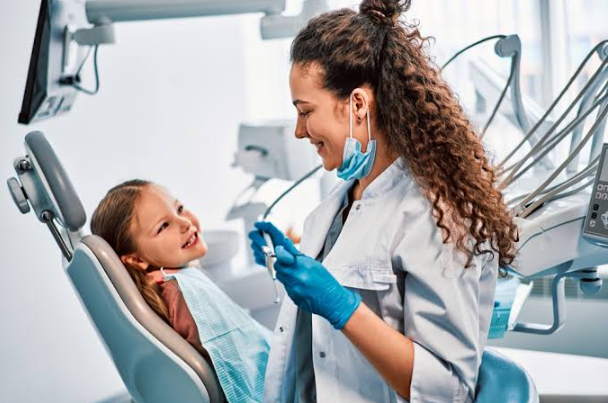
You brush their teeth, remind them about sweets, and still wonder if you are doing enough. A lot of parents carry that quiet worry. One missed brushing session turns into a battle, a small spot on a tooth becomes a bigger concern, and a child who feels nervous about the dentist can make the whole thing harder than it should be. For families looking for a dentist servicing Littlestown, Hanover, and Gettysburg, PA, that support can make all the difference.
That is where family dentistry for children changes the picture. It is not only about fixing cavities. It is about helping your child feel safe, learn good habits early, and grow up seeing dental care as a normal part of life instead of something to fear. A good family dentist supports your child through each stage, from baby teeth to braces conversations to the teenage years when habits start to drift.
Family dentistry builds comfort before dental problems grow
Children usually do better when care feels familiar. A family dentist gives them that steady rhythm. They see the same office, the same faces, and the same calm process over time. That consistency matters more than many parents expect. A child who feels relaxed during early visits is often more willing to return, speak up about pain, and accept treatment before small issues turn into painful ones.
When dental visits only happen during emergencies, children connect the dentist with discomfort. That can stay with them for years. Routine visits create the opposite pattern. Cleanings, exams, fluoride guidance, and simple conversations teach a child that oral care is part of normal health, just like sleep, food, and checkups.
The science behind those early habits is clear. The CDC shares practical oral health tips for children that focus on daily brushing, healthy eating, and regular dental care. Those basics sound simple, but when they are reinforced by a trusted dental team, they tend to stick.
See also: How Furniture Steam Cleaning Services Help Protect Upholstery and Extend Its Life
Children learn lifelong habits when oral health starts at home and continues at the dentist
Most children do not resist dental care because they do not care. They resist because they are tired, distracted, scared, or simply being kids. You may already know the nightly scene. They say they brushed. You check and know they rushed through it in twenty seconds. That is normal. It also shows why parents need backup.
A family dentist helps bridge the gap between what should happen at home and what actually happens in daily life. They show children how to brush well, talk about flossing in age-appropriate ways, and explain why sugar and frequent snacking raise the risk of decay. Those conversations often land differently when they come from someone outside the home.
They also help parents spot patterns early. Maybe your child breathes through their mouth at night, grinds their teeth, or avoids cold foods. Those details can point to issues worth watching. MedlinePlus offers helpful guidance on child dental health, including the role of regular exams and home care in preventing bigger problems.
This kind of preventive care saves more than time. It can spare your child pain, missed school, and the stress of more involved treatment later. It can also lower long term costs, since early treatment is often simpler and less expensive than treating advanced decay or infection.
Preventive family dental care reduces fear, cost, and avoidable treatment
Prevention is where family dentistry quietly does its best work. Sealants, fluoride, routine cleanings, and growth monitoring may not feel dramatic, but they shape your child’s dental future. Fluoride is one of the most studied tools in cavity prevention, and the National Institute of Dental and Craniofacial Research explains why fluoride is good for dental health in clear terms. Used appropriately, it helps strengthen enamel and lower the risk of decay.
That matters because childhood cavities are common, and they do not stay small forever. A tiny cavity can become tooth pain, trouble eating, poor sleep, and a child who starts fearing every dental appointment. Once fear takes hold, even simple visits become harder. The goal of children’s dental care is to interrupt that cycle early.
| Approach | What It Looks Like | Likely Result |
|---|---|---|
| Preventive family dental care | Regular exams, cleanings, fluoride, sealants, habit coaching | Fewer cavities, lower anxiety, lower treatment costs over time |
| Problem based dental visits | Going only when pain, swelling, or visible damage appears | More invasive care, higher stress, higher chance of dental fear |
| Home care without professional support | Brushing and flossing at home, but no routine exams | Good effort, but hidden issues may go unnoticed until they worsen |
Small steps with a family dentist shape long term dental health
Start routine visits early. Early appointments help your child build trust before there is a problem. If your child’s first dental memory is calm and simple, that becomes the baseline. It is easier to maintain confidence than to rebuild it after a painful visit.
Make home care predictable. Keep brushing and flossing tied to the same parts of the day. Children respond well to routine, even when they complain about it. Ask your family dentist to show both you and your child the best technique for their age, especially if brushing has become rushed or inconsistent.
Use the dentist as a coach, not only a fixer. Bring up the small things. Thumb sucking, sports drinks, crowded teeth, sensitivity, mouth breathing, and fear during appointments all matter. A family dental office can guide you before those issues become harder to manage.
Your child does not need perfect teeth to build a healthy future. They need support, steady care, and a dental home that helps them feel safe enough to keep showing up. That is how family dentistry prepares children for a lifetime of dental health. If you are ready to make dental care feel easier and more consistent for your family, schedule a visit with a family dentist and start building those habits now.