ByJohn A
5 Topics To Discuss Before Your Pet’s Pacemaker Procedure
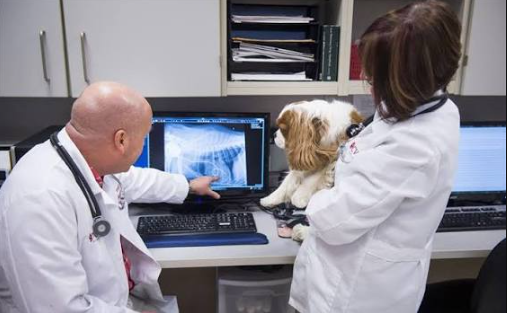
You may be carrying two worries at once right now. One is fear for your pet, especially if the heart rhythm problem was found after fainting, weakness, or a scary collapse at home. The other is the weight of making the right decision fast with a trusted veterinarian in Lansdale. A pacemaker can sound extreme when you first hear it, but for some dogs and cats with serious rhythm problems, it is the treatment that gives them steadier heartbeats and a safer daily life.
Before your pet’s procedure, you need clear answers about diagnosis, anesthesia, recovery, cost, and what life looks like after surgery. That conversation matters because a pacemaker is not just one day at the hospital. It is a plan for your pet’s heart, comfort, and follow up care.
Your Pet’s Heart Rhythm Diagnosis Needs to Be Clear
A pacemaker is usually recommended when the heart beats too slowly or pauses in a way that puts blood flow and safety at risk. If your pet has had fainting spells, tiring on walks, sudden weakness, or episodes that looked like seizures, those details matter. They help your veterinary team connect symptoms with the rhythm problem seen on testing.
Ask exactly which arrhythmia your pet has, how severe it is, and why a pacemaker is the best option instead of medication alone. Some rhythm disorders respond to drugs. Others do not. Cornell’s overview of arrhythmias and abnormal rhythms in dogs explains how abnormal electrical activity can affect the heart’s ability to pump blood well. That is often the core issue. The concern is not just an odd heartbeat on paper. It is what that heartbeat does to your pet’s daily safety.
You also want to know whether your pet has any other heart disease at the same time. A pacemaker treats the rhythm issue. It does not fix every cardiac problem. That distinction can shape prognosis, activity limits, and long term expectations.
See also: How Furniture Steam Cleaning Services Help Protect Upholstery and Extend Its Life
Anesthesia and Procedure Risks Deserve a Straight Answer
This is often the hardest part to hear because you already know your pet has a heart problem, and now someone is telling you anesthesia is part of the treatment. The fear makes sense. You are not overreacting.
Ask how the team will lower anesthesia risk before, during, and after the procedure. That includes preoperative blood work, imaging, medication review, heart monitoring, blood pressure support, pain control, and recovery supervision. Washington State University’s page on pets and anesthesia outlines the kind of planning hospitals use to make anesthesia safer, especially for animals with medical conditions.
You should also ask what could go wrong during pacemaker placement itself. Lead movement, infection, bleeding, swelling, and device malfunction are not pleasant topics, but they are real ones. When your veterinary team explains both the common and uncommon risks, you can make a decision based on facts instead of fear filling in the blanks.
If your pet is older or has another illness, ask how that changes the plan. A senior dog with kidney disease or a cat with thyroid disease may still be a candidate, but the approach may need to be tighter and more individualized.
Recovery After a Pet Pacemaker Procedure Requires Realistic Planning
The procedure is one part of the story. Recovery is where many families get caught off guard. Your pet may need activity restriction, incision checks, medication adjustments, and repeat visits to confirm the pacemaker is functioning as intended. If you have a young, active dog who launches off furniture, that matters. If you have a nervous pet who resists handling, that matters too.
Ask how long crate rest or leash only activity will last, what signs of trouble to watch for, and when your pet can return to normal routines. Swelling at the incision, coughing, fainting, weakness, or sudden behavior changes should never be brushed off as “just recovery” unless your veterinarian has already told you to expect them.
This is also the time to ask about quality of life. Many pets feel better once the slow rhythm is corrected. They may have more stamina, fewer collapse episodes, and a steadier mood because they are finally getting consistent blood flow. That hope is real, but it works best when paired with a practical plan.
The Financial and Long Term Care Picture Should Be Out in the Open
A pet pacemaker procedure is specialized care, and the cost can be significant. You deserve a full estimate that includes more than the surgery itself. Ask about consultation fees, imaging, lab work, anesthesia, hospitalization, rechecks, device monitoring, and possible emergency costs if a complication comes up.
It also helps to ask how long the device is expected to function and whether replacement or revision may be needed later. Some families are prepared for the initial procedure but not for the long tail of follow up care. That surprise can add stress at the worst time.
If finances are tight, say so early. Many people wait because they feel embarrassed, then they leave with half the information they need. A good hospital would rather help you understand the options clearly than have you go home confused and overwhelmed.
Comparing the Main Topics Before Pacemaker Placement
| Topic to Discuss | Why It Matters | What to Ask |
|---|---|---|
| Exact rhythm diagnosis | Confirms whether a pacemaker is the right treatment | What arrhythmia does my pet have, and what happens if we wait? |
| Anesthesia risk | Heart patients need careful monitoring and planning | What steps will you take to reduce risk during anesthesia and recovery? |
| Procedure complications | Helps you prepare for realistic outcomes | What are the most common complications, and how are they treated? |
| Recovery limits | Incision healing and lead stability depend on good aftercare | How long will activity restriction last, and what warning signs mean I should call? |
| Cost and follow up | Prevents financial surprises and missed rechecks | What does the estimate include, and what future monitoring will my pet need? |
Three Steps You Can Take Before the Procedure
Write down your pet’s symptom timeline. Include fainting, weakness, coughing, exercise intolerance, appetite changes, and any episodes that seemed strange. Dates and details help your veterinary team judge urgency and pattern.
Ask for the care plan in plain language. You need to know the diagnosis, the reason for the pacemaker, the anesthesia plan, the recovery rules, and the follow up schedule. If any part feels fuzzy, ask again. This is not the time to nod and hope it makes sense later.
Set up your home for recovery before admission day. Prepare a quiet rest area, limit stairs if possible, and plan for leash walks only if your veterinarian recommends them. If your schedule is packed, arrange help now. Pacemaker surgery for pets goes more smoothly for families who plan for the first two weeks instead of improvising through them.
When your pet needs cardiac care, the hardest part is often the stretch before treatment, when you know something is wrong but do not yet feel steady in the plan. Keep the conversation focused on these five topics, get direct answers, and make sure you understand the road ahead. If your pet has been advised to have a pacemaker procedure through an animal hospital, ask for a full consultation and written discharge expectations so you can move forward with more confidence and less guesswork.