
You see it in small moments. A child covers their mouth when they laugh, avoids smiling in school photos, or grows tense the second a dental visit comes up. For many parents, that kind of worry feels bigger than teeth. You want your child healthy, but you also want them to feel comfortable in their own skin, and those two things are more connected than people think. While topics like dental implants Toronto may seem more relevant to adults, they can also be part of broader family conversations about long-term dental health.
Why Preventive Dentistry Builds Confidence In Young Patients comes down to a simple truth. When children avoid pain, cavities, and dental emergencies, they feel safer. When they know what to expect at the dentist, they stop seeing care as something scary. When their teeth look and feel healthy, they speak, smile, and eat with less self-consciousness. Preventive dental care for children supports health, but it also shapes how a child sees themselves.
Preventive dentistry reduces fear before it turns into avoidance
A child rarely starts out afraid of the dentist for no reason. Fear often builds after discomfort, rushed appointments, or the feeling that something is only addressed when it has already become a problem. If a young patient’s first strong memory of dental care is pain, they can start expecting every visit to feel the same way.
That expectation changes behavior fast. A child who is nervous may resist brushing, avoid talking about tooth pain, or shut down during appointments. Parents then end up in a cycle of reminders, stress, and last-minute treatment. The emotional weight lands on everyone.
Preventive visits interrupt that cycle. Regular cleanings, exams, fluoride treatments, and early guidance make the dental office feel familiar instead of threatening. Children learn that a visit can be calm, short, and manageable. That sense of predictability matters. Confidence grows when a child knows what will happen and trusts that they can handle it.
This is one reason confidence through pediatric dental prevention is not just a nice idea. It is a practical result of steady care. A child who has positive early visits often sits more comfortably, asks questions more freely, and carries less fear into future treatment.
Healthy teeth affect how children speak, eat, and socialize
Oral health reaches into daily life in ways that are easy to miss until something goes wrong. Tooth pain can make a child avoid crunchy foods, chew on one side, or lose focus in class. Visible decay can make them more aware of their appearance. Even bad breath from untreated dental issues can affect how they interact with other kids.
The Centers for Disease Control and Prevention explains that oral health is tied to school performance, attendance, and overall well-being. That connection matters because children do not separate physical discomfort from the rest of life. If their mouth hurts, everything feels harder. If they are embarrassed about their teeth, they may pull back socially without saying why.
Preventive care protects more than enamel. It helps children eat comfortably, sleep better, and show up at school ready to participate. Those are confidence builders. A child who is not distracted by pain has more energy for learning, sports, and friendships.
See also: How Furniture Steam Cleaning Services Help Protect Upholstery and Extend Its Life
Small preventive habits often prevent bigger and more expensive problems
Many families delay dental care because life is full, budgets are tight, or nothing seems urgent. That choice makes sense in the moment. The trouble is that dental problems rarely stay small. A spot that could have been managed early can turn into a cavity, an infection, or a need for more involved treatment.
Children feel that escalation deeply. A simple checkup is one thing. A filling, extraction, or emergency visit is another. When care only happens in response to pain, children learn to associate dentistry with stress and loss of control. That can shape their habits for years.
Preventive treatment lowers the odds of that pattern. Dental sealants are a good example. The CDC notes that school dental sealant programs help protect children from cavities, especially on the chewing surfaces of back teeth where decay often starts. That kind of early protection can spare a child discomfort now and anxiety later.
Preventive dentistry gives young patients a sense of control
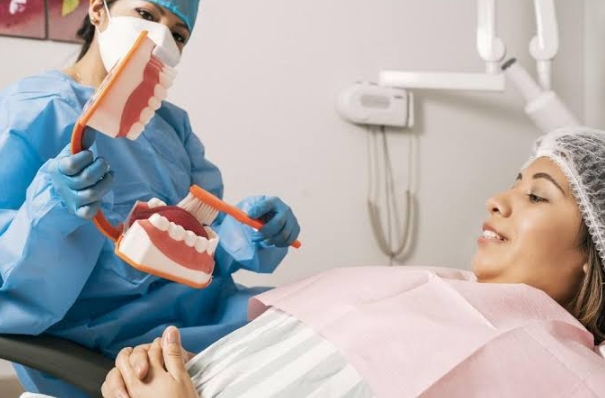
Children feel more confident when they are included in their care instead of being talked around. A good general dentist helps them understand what brushing does, why sugar affects teeth, and what each tool in the room is for. That lowers the mystery. Mystery often feeds fear.
Control can look small from an adult point of view. A child chooses a toothpaste flavor, practices opening wide, or hears praise for brushing better this month than last month. Those moments matter because they build competence. Competence becomes confidence.
That is the deeper value of preventive dentistry in children. It teaches that health is something they can influence, not something that only gets attention when it breaks down.
Prevention and delayed care lead to very different experiences
| Approach | Likely Experience for the Child | Common Family Impact |
|---|---|---|
| Regular preventive visits | Familiar routine, less fear, early detection of small issues | More predictable costs, fewer urgent disruptions, easier scheduling |
| Care only when pain starts | Higher anxiety, stronger association between dentist and discomfort | More stress, possible missed school or work, larger treatment needs |
| Sealants and fluoride when recommended | Added protection against decay, less chance of painful cavities | Lower risk of avoidable treatment later |
| Inconsistent home care | More plaque buildup, bad breath, possible embarrassment | Frequent reminders, frustration, and preventable problems |
Simple steps help children build confidence through dental care
Make dental visits routine, not a warning. Do not frame the dentist as something that happens because a child has been neglecting their teeth or because trouble is coming. Treat visits as a normal part of growing up. That lowers emotional pressure before they even sit in the chair.
Focus on progress at home. Children respond better to encouragement than criticism. If brushing has been a battle, praise the small wins. Two full minutes, better flossing, less resistance at bedtime. Those wins create momentum and help a child feel capable instead of corrected.
Choose a general dentist who speaks to your child, not just about them. Pay attention to whether the dentist explains things in calm, simple language and gives your child space to ask questions. Respect builds trust, and trust builds confidence faster than any lecture ever will.
Confidence starts with prevention and grows with every positive visit
Children do not need perfect teeth to feel good about themselves. They need support, consistency, and a chance to build positive experiences before fear takes over. Preventive dentistry gives them that chance. It protects their oral health, reduces avoidable stress, and helps them smile without hesitation.
If your child has been anxious, resistant, or embarrassed about dental care, early preventive support can change the tone completely. A trusted general dentist can help make each visit feel more manageable, and that steady foundation often shows up far beyond the dental chair.