
You brush when you can, you mean to floss more, and you probably tell yourself you will book that cleaning soon. Then life gets busy, something hurts for a day and stops, and dental care slides down the list again. That is common, and it is usually how small problems turn into bigger ones. In some cases, delaying treatment can eventually lead people to consider dental implants in Hoffman Estates, IL.
Your mouth does not ask for much, but it does need steady care. The good news is that most tooth decay and gum disease can be reduced with simple habits done well and done often. These preventive dental tips are not complicated, and they can save you pain, time, and money.
Daily oral hygiene habits prevent the problems people ignore until they hurt
A lot of dental trouble starts quietly. Plaque builds up along the gumline, a cavity forms between teeth, or you grind your teeth at night without realizing it. You may not notice anything until you feel sensitivity, bad breath that keeps coming back, or bleeding when you brush. By then, the fix is often more expensive and more uncomfortable than it needed to be.
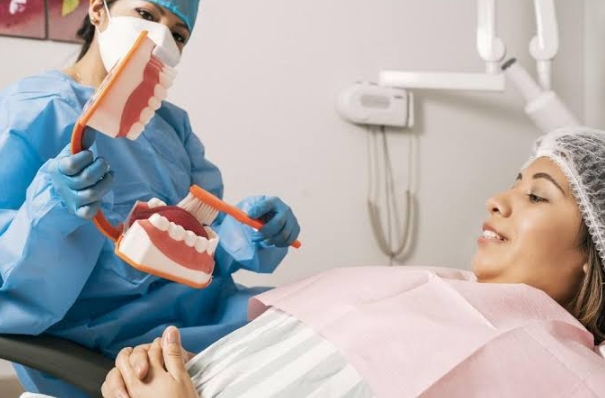
General dentists keep coming back to the same basics because they work. Brush twice a day with fluoride toothpaste. Floss once a day. Replace your toothbrush or brush head every three to four months, or sooner if the bristles spread out. The National Institute of Dental and Craniofacial Research shares clear oral hygiene guidance that supports these habits.
Technique matters as much as effort. Quick brushing that misses the gumline leaves behind the plaque that leads to cavities and gingivitis. Flossing only the front teeth does not help the tight spaces in the back where food gets trapped. If your gums bleed when you floss, that usually means they need more attention, not less.
See also: How Furniture Steam Cleaning Services Help Protect Upholstery and Extend Its Life
Diet and hydration shape your dental health more than most people realize
You do not need a perfect diet to protect your teeth, but frequent sugar and acid exposure wears them down. Soda, sports drinks, sweet coffee, and even constant snacking can keep your mouth in a cycle where enamel has little time to recover. If you sip something sugary over hours, your teeth are exposed over hours too.
Water helps more than people think. It rinses away food particles, supports saliva, and in many areas it adds fluoride protection. Saliva is one of your body’s built in defenses. A dry mouth from medications, dehydration, or mouth breathing can raise your risk for decay fast.
The CDC offers practical oral health tips for adults that line up with what dentists see every day. Drink more water, limit sugary foods and drinks, and be careful with tobacco and alcohol, both of which can damage oral tissues and raise the risk of serious disease.
Routine dental visits catch small issues before they become expensive treatment
Many people wait until something hurts to call a dentist. That makes sense when money is tight or dental visits make you anxious. The problem is that pain often shows up late. A cavity can grow for months without hurting. Gum disease can progress while your teeth still feel fine. An old filling can crack before you notice a thing.
Regular exams and cleanings give a general dentist a chance to catch those changes early. Early treatment is usually simpler. A small filling costs less than a root canal and crown. Mild gingivitis is easier to reverse than advanced periodontal disease. A mouth cancer screening takes little time and can matter a great deal.
If you have been putting off care because nothing feels urgent, that is often the exact moment to go. Oral health prevention tips work best before symptoms force the issue.
Simple preventive care often costs less than delayed treatment
| Preventive habit | Short term cost or effort | What it may help you avoid |
|---|---|---|
| Brushing twice daily with fluoride toothpaste | 2 minutes, twice a day | Cavities, plaque buildup, enamel wear |
| Flossing once a day | A few minutes daily | Gum inflammation, decay between teeth, bad breath |
| Routine dental cleanings and exams | Scheduled office visits | Larger fillings, root canals, gum disease treatment |
| Limiting sugary drinks and frequent snacking | Daily choices | Acid attacks on enamel, hidden decay |
| Wearing a night guard or sports mouthguard when needed | Custom or store bought protection | Chipped teeth, grinding damage, dental injuries |
This is where preventive dentistry advice becomes practical, not abstract. A few steady habits usually cost less than repair work after damage builds up. The NIH also provides broad oral and dental health information that connects daily care with long term health.
Three steps you can take today to protect your teeth and gums
1. Tighten your routine. Brush for two full minutes, morning and night, with fluoride toothpaste. Floss every evening before bed. If you struggle to stay consistent, pair it with something you already do, like starting the shower or setting your phone on the charger.
2. Cut down on constant sugar exposure. If you want something sweet, have it with a meal instead of sipping or snacking on it all afternoon. Switch one daily sugary drink to water. If your mouth feels dry often, pay attention to that and bring it up at your next dental visit.
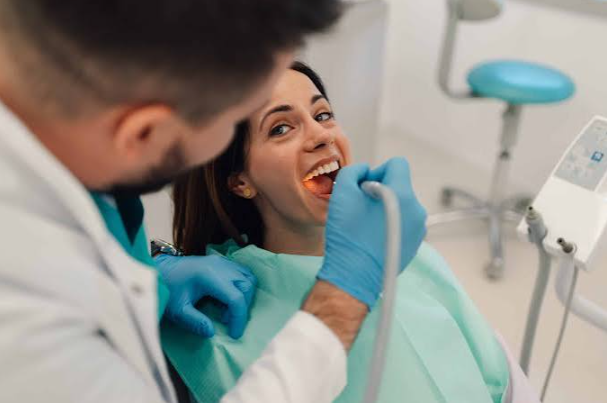
3. Book the visit you have been delaying. A general dentist can spot early decay, gum inflammation, worn enamel, and bite issues before they turn into bigger treatment plans. If dental anxiety is part of the delay, say that when you schedule. Good dental teams hear that every day and can often make the visit easier than you expect.
Consistent care gives you the best chance to avoid bigger dental problems
The best dental habits are usually the least dramatic ones. Brush well. Floss daily. Drink more water. Watch the sugar. Show up for regular care. Those six basics, repeated over time, do more for your smile than waiting for trouble and reacting to it later.
If you have been off track, you do not need to fix everything at once. Start with one change today, then add the next. A good general dentist can help you keep small issues small, which is often the whole point of prevention.